

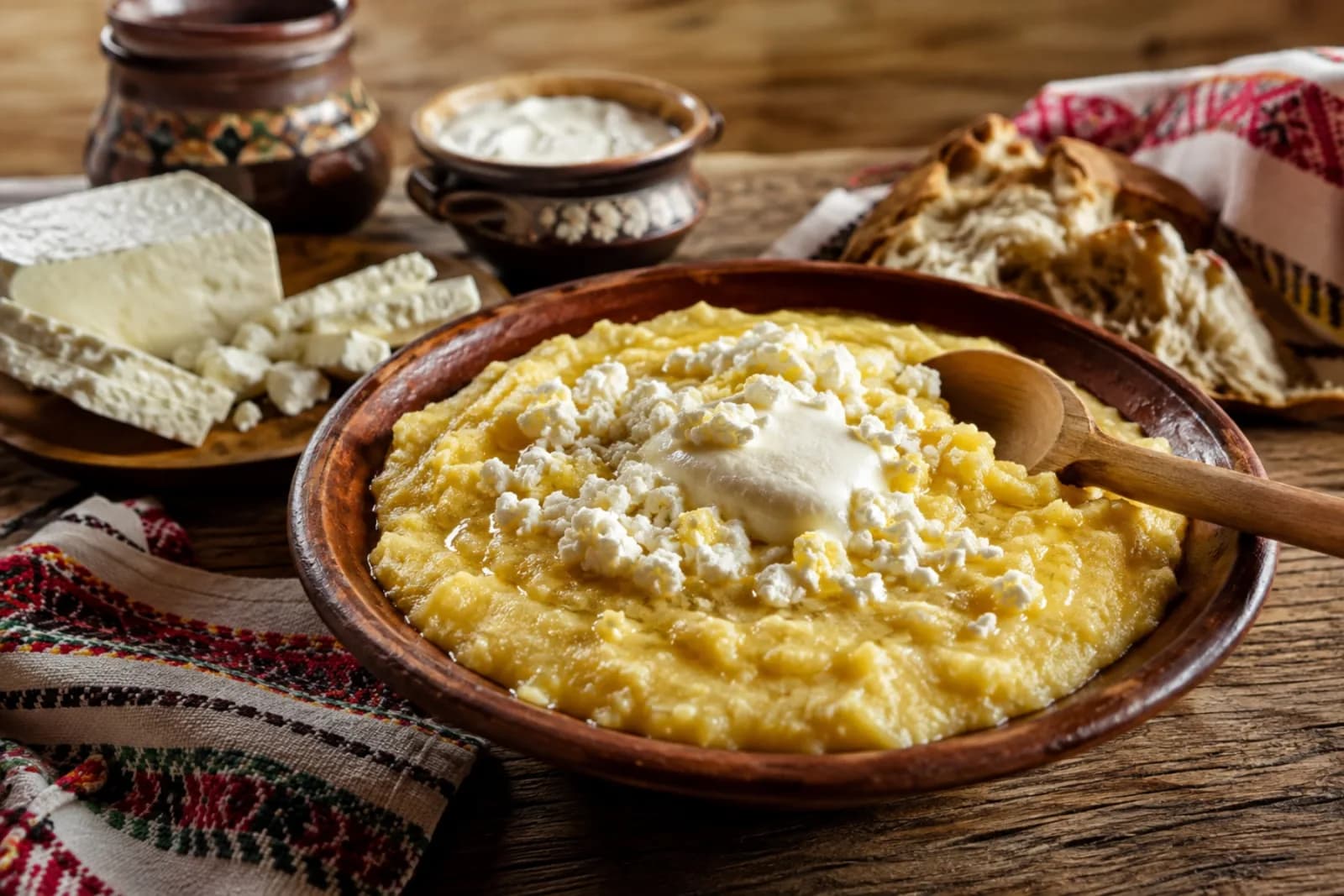
There are dishes we remember for their taste, and there are those we remember for the home, the people, and the time in which they were created.
Cicvara belongs precisely to this kind of dish.
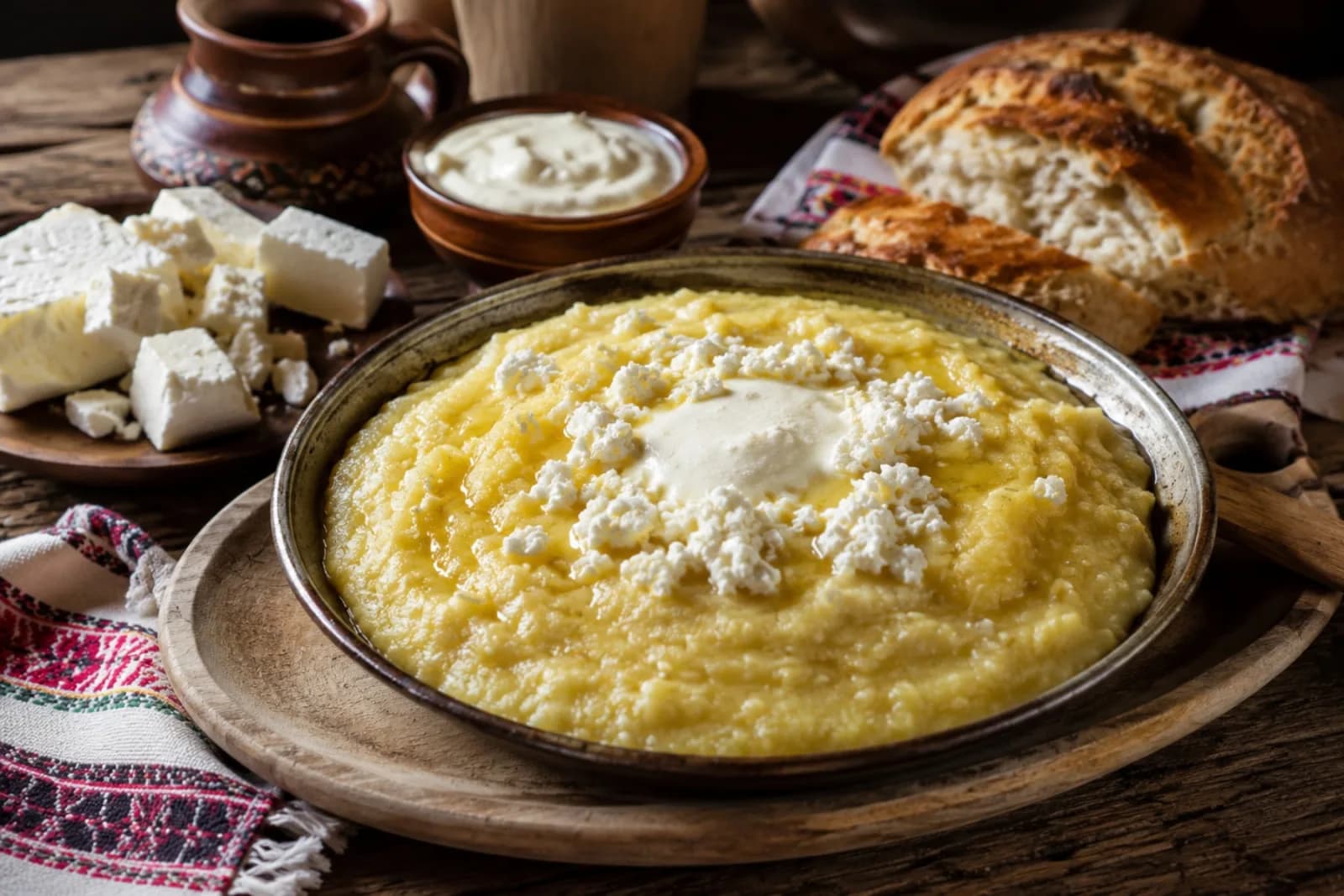
The aroma of cheese and kajmak heating in a pot, the wooden spoon used to stir it slowly, and that distinctive golden colour — this is how cicvara is remembered from old kitchens.
Once, it was made from whatever the household had: milk, cheese, kajmak, flour, and fat. Just a few simple ingredients, but enough to create a warm and filling meal.
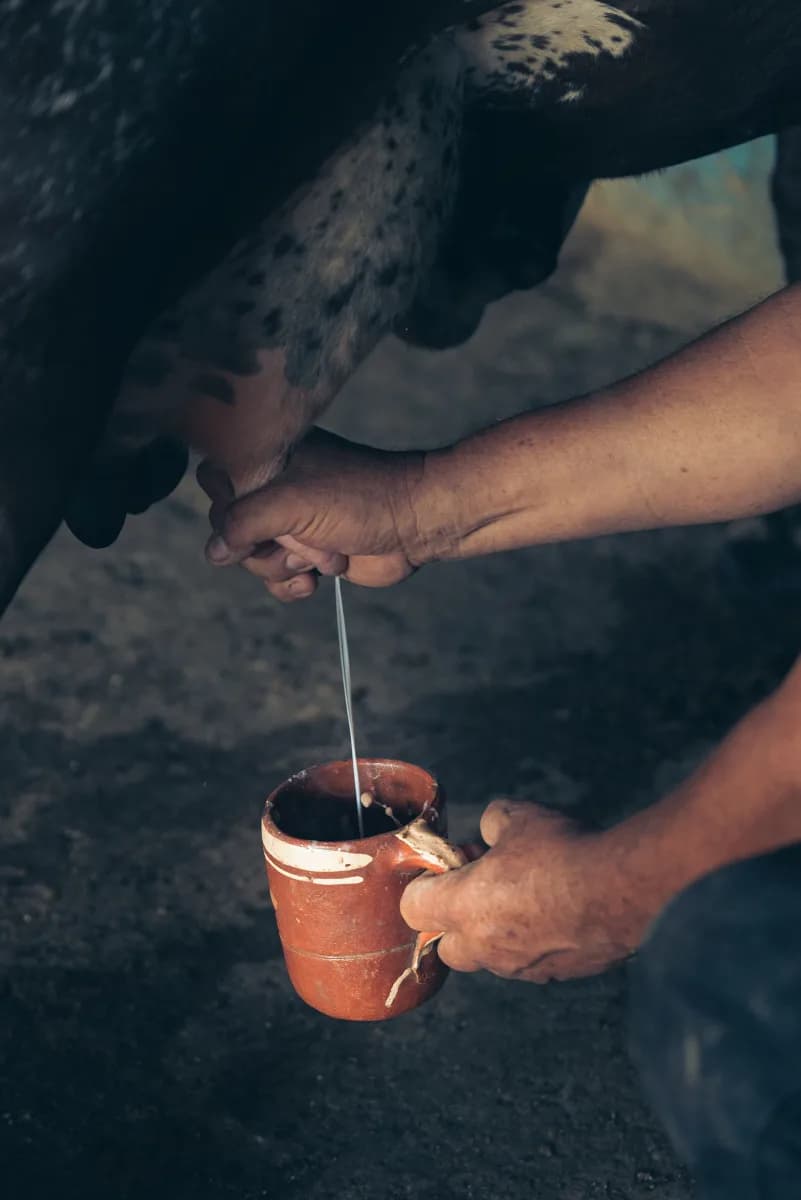
Behind this simple recipe, however, lies an entire way of life. Freshly milked milk, from which cheese and kajmak were made, grain ground at the mill, and a recipe passed down through generations.
There were no kitchen scales.
There was no stopwatch.
People simply knew by sight.
One Name, Many Homelands
Cicvara does not have one single, universal recipe. Its story stretches across different regions where people adapted it to the ingredients they had, their way of life, and their family customs. In some places, it was richer in kajmak and cheese; elsewhere, cornmeal was used. The proportions of the ingredients, the consistency, and the cooking method also varied. These differences became part of the tradition.
That is why different versions of cicvara can be found under the same name. And each one carries something of the region it comes from.
Like many old dishes, cicvara travelled from one region to another and changed according to what was available.
In the Zlatibor region, it is associated with a hearty mountain cuisine based on dairy products and cornmeal.
In Krajina and the Banja Luka region, cicvara is part of the old traditional cuisine, alongside pura, popara, kvrguša, and other dishes that once appeared much more often on the everyday table. Even today, it is listed among the traditional dishes of the Banja Luka region, although it has almost disappeared from modern everyday life.
In Herzegovina, varieties rich in dairy products are prepared, and in some places cicvara is also served with honey. A combination that may seem unusual at first glance, but one that perfectly demonstrates how traditional cuisine adapted to local tastes.
In the mountain regions of Republika Srpska, particularly in areas where livestock farming was an important part of life, cicvara is associated with milk, cheese, kajmak, and flour: ingredients that households could produce themselves. Romanija and other mountain regions have preserved different versions of this old dish.
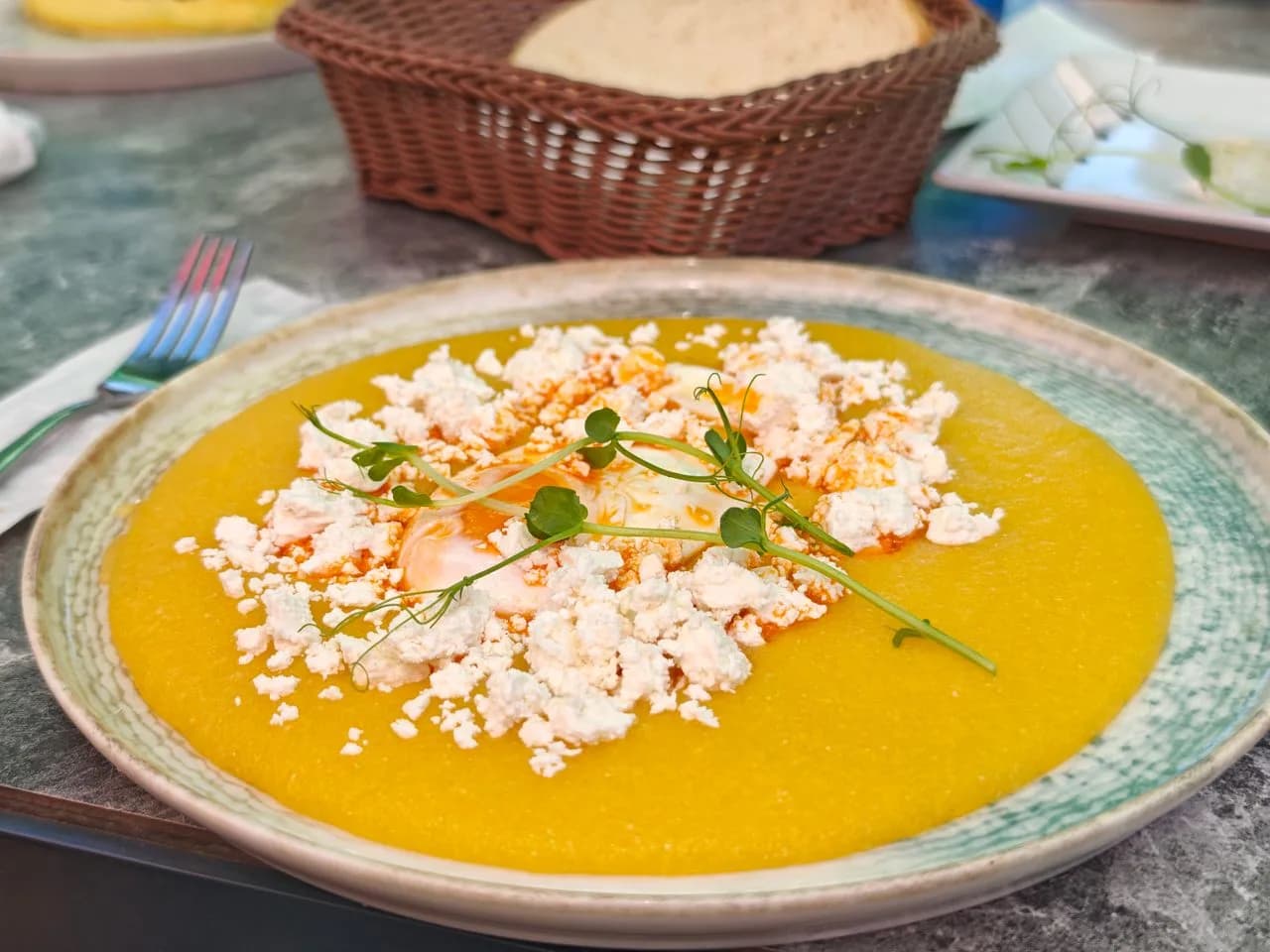
And then we come to Slavonia, where cicvara takes on a completely different form. The Slavonian version is made with homemade sour cream, eggs, and flour. It was once served to guests at the end of large feasts and was particularly associated with the tradition of hospitality.
And this is where a beautiful story about Serbian cuisine unfolds.
The same name, a different recipe.
The same need to make something good from what we have.
The same feeling that a guest should never leave an empty table.
That is why there is no need to search for one “true” cicvara. The true one is the version that a particular region has embraced as its own.
In Krajina, it will have one taste; in Herzegovina, another; in Slavonia, a third. Somewhere kajmak and cheese will dominate, somewhere sour cream and eggs, and somewhere cornmeal.
In every one of them, the same trace remains - the trace of the home, the land, and the people who prepared it.
From the Festive Table to a Hard Day’s Work
In some regions, cicvara held a special place in festive traditions.
It was prepared for Christmas and served to the first visitor of the household, accompanied by wishes for health, prosperity, and a good year. But it was not merely a festive dish. It was also food for people who worked. For those who spent hours in the fields, in the forest, tending livestock, or doing other hard labour.
A meal made from a few basic ingredients could provide enough nourishment to satisfy a person after a long day.
In such a way of life, nothing was accidental. Food was prepared from what the household produced, and the knowledge of how to prepare it was an essential part of running a home.
That is why cicvara is much more than a recipe. It is a record of a time that was never written down on paper.
When the Spoon Knew More Than the Measure
Old recipes often contain no precise quantities: “add a little,” “as much as needed,” “cook until it is done.” To us today, this may seem vague, but once it was knowledge. And skill.
The homemaker knew what kind of kajmak she had, how much fat it contained, what the flour was like, and how the mixture behaved over the fire. She knew when to add a little more flour, when to lower the heat, and when it was time to take the cicvara off the stove.
When the ingredients come together, when the mixture becomes thick and creamy, and the fat begins to separate and appear on the surface and around the edges of the pot, everyone knew it was ready.
This knowledge was passed down through observation and repetition.
From mother to daughter.
From mother-in-law to daughter-in-law.
From the older generation to the younger.
And that is precisely how many recipes survived without a single written measurement.
From the Hearth to the Modern Table
Today, cicvara is making its way back onto the menus of restaurants, traditional rural households, and mountain homes.
It is prepared on modern stoves and in contemporary kitchens, but its essence remains the same: quality homemade ingredients, slow cooking, and patience.
When served hot, with homemade bread, sour milk, or yoghurt, it is difficult not to think of the old kitchens where such a meal was simply an ordinary part of everyday life.
Once, everyday life. Today, heritage. Cicvara is much more than a warm dish served in an earthenware bowl.
In its taste remain the homeland, the hearth, the hands of the homemaker, and the memory of a time when people knew the value of what they had. And that is precisely what transforms traditional food into heritage.
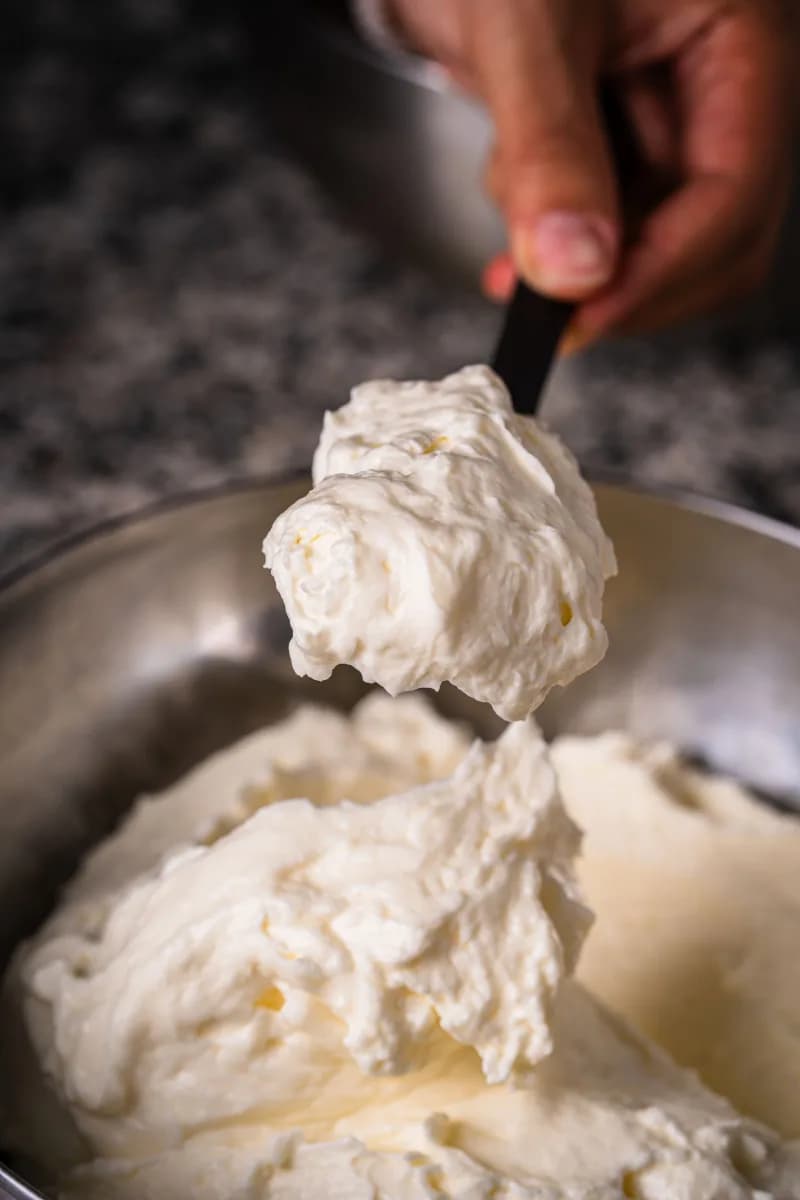
One Traditional Version
Since recipes differ from one region to another, this is only one of the traditional versions of cicvara.
Ingredients:
- 500 ml full-fat milk
- 150-200 g young kajmak or skorup
- 100-150 g cornmeal
- 50 g butter
- a little salt
Preparation:
Pour the milk into a pot and heat it over low heat.
Add the kajmak and butter and stir until the ingredients are fully combined.
Gradually add the cornmeal, stirring continuously to keep the mixture smooth and free of lumps.
Cook over low heat, patiently and with constant stirring, until the cicvara thickens and the fat begins to separate and appear on the surface and around the edges of the pot.
At that point, it is ready.
Add a little salt if necessary, keeping in mind that the kajmak may already be salty.
Serve hot, with homemade bread, sour milk, or yoghurt.
Note: the amount of flour can be adjusted according to the desired consistency, while the ratio of kajmak, cheese, and other dairy ingredients varies according to local tradition.
