

 03.
03.09.
2026.
The Battle of Cer: A Victory That Echoed Across Europe
Culture
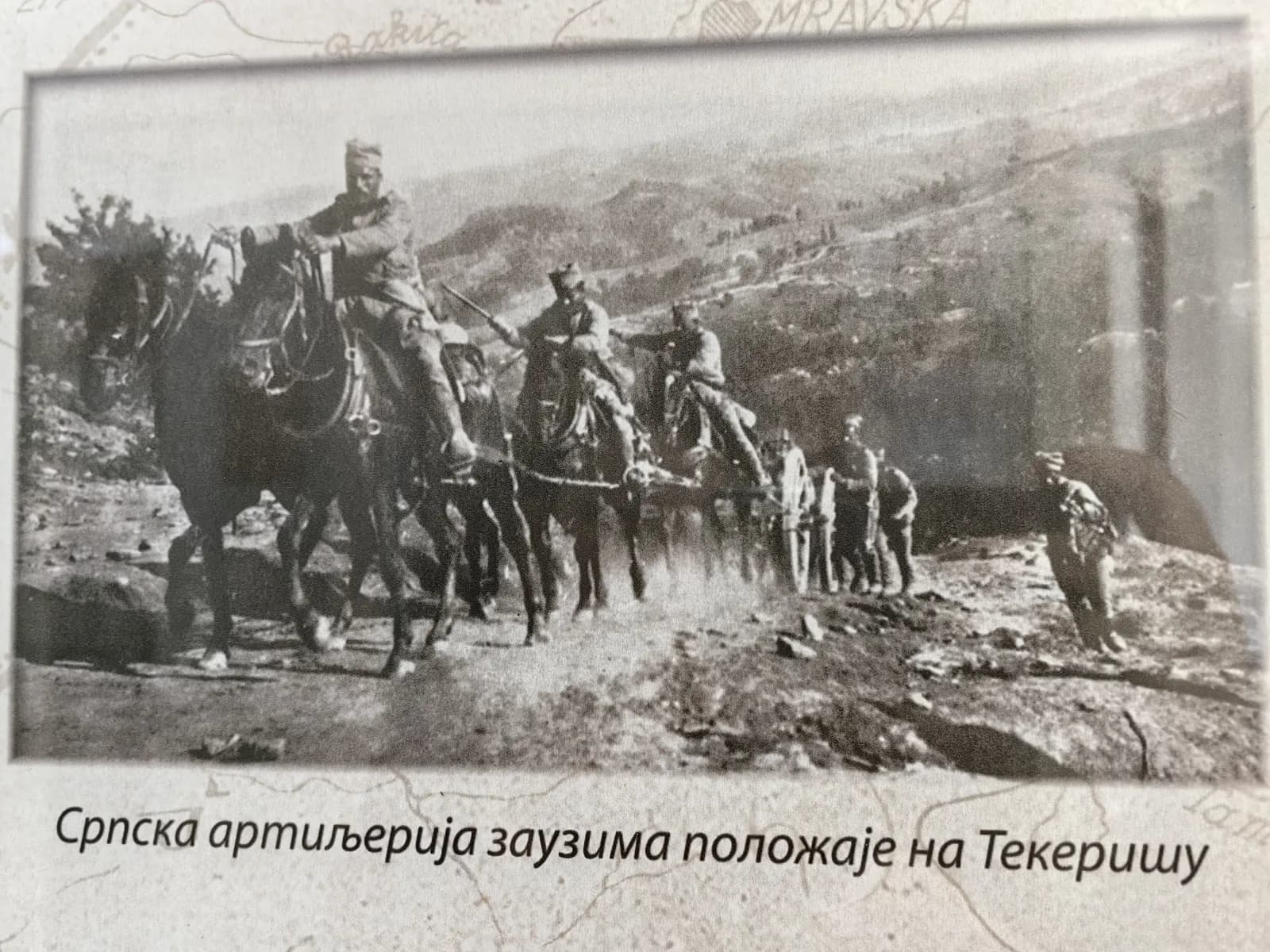
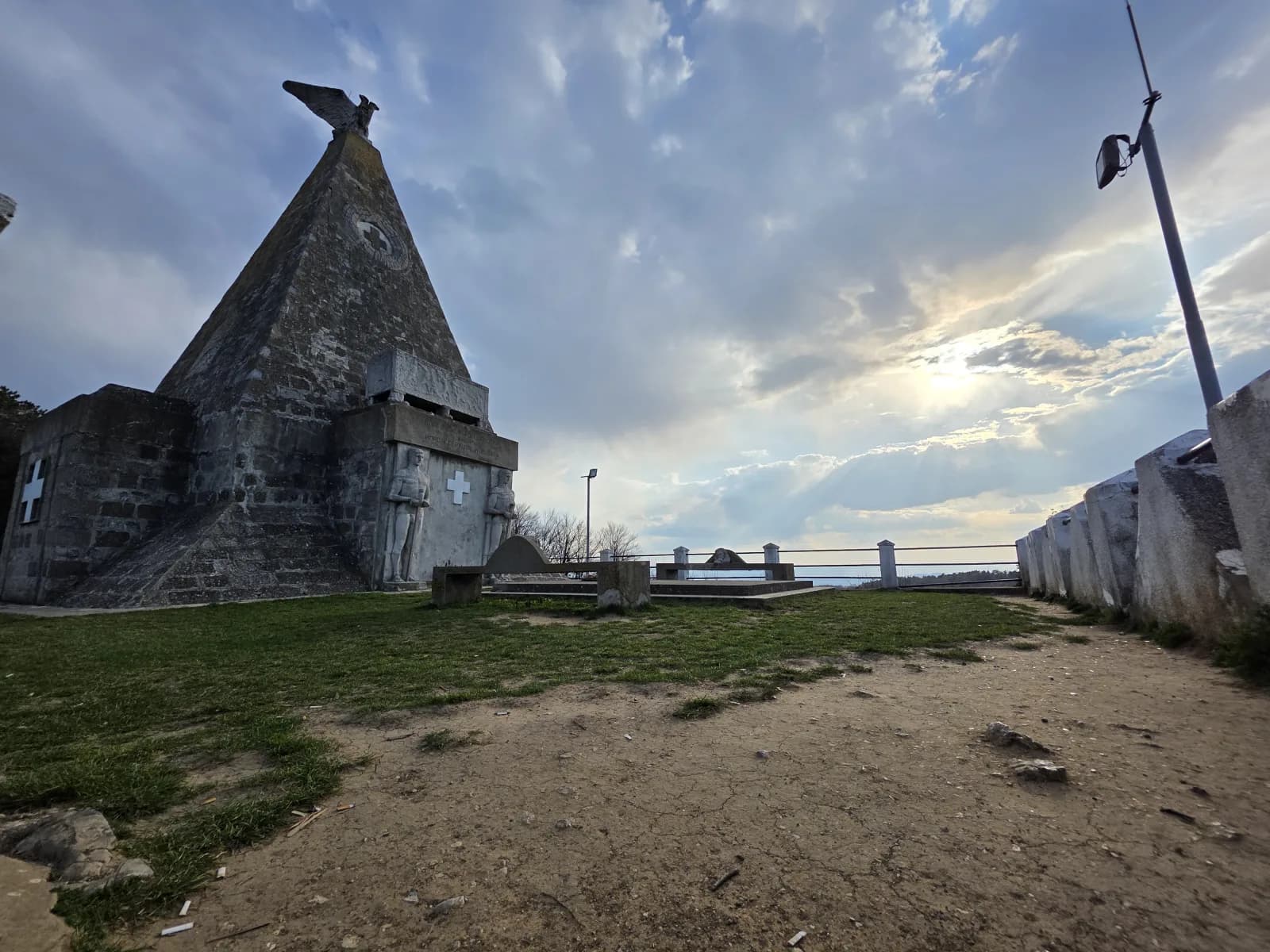
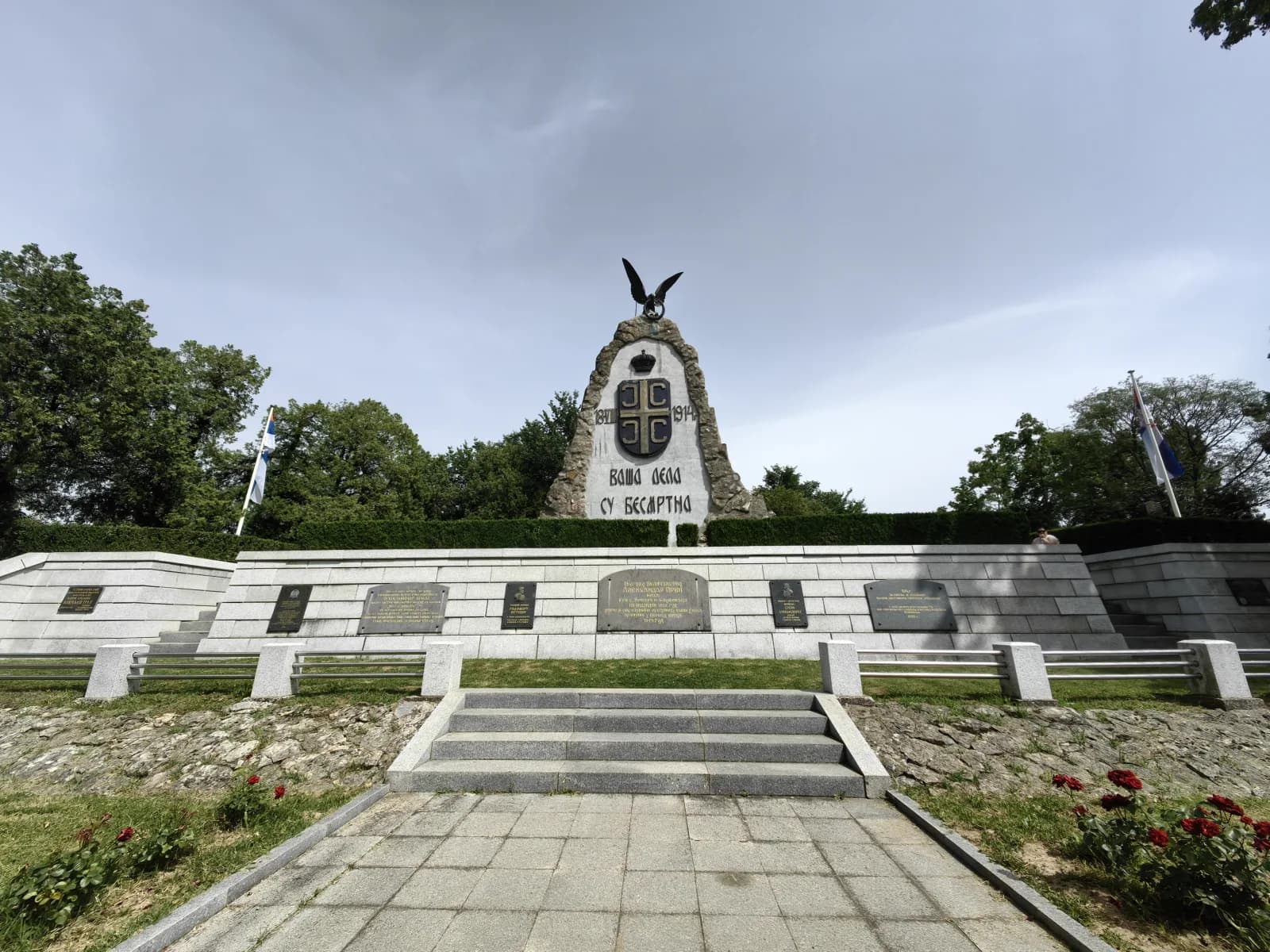
In mid-August 1914, the Austro-Hungarian offensive began along several axes, with the main forces advancing across the Drina, while another important axis ran across the Sava toward Šabac. Loznica was occupied, Šabac came under pressure, and Serbian units were ordered to move as quickly as possible toward the areas where the main clash was expected. One of the most important directions led toward Mount Cer. The Serbian army was exhausted after the Balkan Wars, but it had experienced commanders and soldiers who already knew what modern warfare looked like. In the days that followed, units covered great distances in a short time, often with little rest, in order to reach their positions before the Austro-Hungarian forces. Thus began the Battle of Cer, one of the most significant victories of the Serbian army in the First World War and the first major Allied victory of the Great War. At the head of the Serbian Supreme Command was Field Marshal Radomir Putnik, one of Serbia's most experienced military commanders. His task was to assess the entire battlefield and direct the main forces toward the axis along which the enemy offensive was developing. The March Toward Cer The Second Army, commanded by General Stepa Stepanović, played the most important role on Mount Cer itself. His units set out toward Cer after exhausting marches. Some detachments covered dozens of kilometres a day, while the soldiers moved with almost no rest. The aim was to seize the dominant positions on the mountain as quickly as possible and prevent the Austro-Hungarian army from reaching them first. The Second Army, under Stepa Stepanović's command, played a decisive role in the main fighting on Mount Cer. The night clash near Tekeriš was the prelude to the main battles that would engulf Cer and Iverak in the days that followed. The Days of Decisive Fighting On August 16, the fighting spread along the Cer positions. In the broader course of the operation, the First Army, commanded by General Petar Bojović, also played an important role. Its units came to the aid of the Second Army and subsequently took part in the final operations in the Mačva region and around Šabac. In this way, Bojović's army helped prevent the Austro-Hungarian forces from retaining their positions across the wider area of operations. The Third Army was commanded by General Pavle Jurišić Šturm. Its role was part of the broader deployment of the Serbian army and the protection of the routes leading toward the interior of Serbia. Although the main fighting of the Battle of Cer is associated with the Second Army, the success of the Serbian army also depended on the other armies holding their positions and preventing the enemy from threatening the flanks of the main forces. By August 19–20, elements of the Austro-Hungarian 21st Division had begun a retreat that spread to other directions as well. The Commanders Who Led Serbia to Its First Great Victory The Battle of Cer was not the work of a single commander. On the battlefield, decisions were made by army commanders, while the Supreme Command directed the operation as a whole. Radomir Putnik , as Chief of the General Staff of the Supreme Command, directed operations at the highest level. His experience was particularly important at a moment when the Serbian army had to abandon its initial deployment and rapidly move its main forces toward the west. Stepa Stepanović , commander of the Second Army, was the most important commander on Mount Cer itself. His decision to seize the dominant positions on the mountain was one of the key moments of the battle. For his role in commanding the Battle of Cer, he was promoted to the rank of Field Marshal. Petar Bojović , commander of the First Army, brought his units to the aid of the Second Army, while his army played an important role in the final operations in Mačva and around Šabac. Pavle Jurišić Šturm , commander of the Third Army, was part of the broader deployment of the Serbian army during the Cer operation. His army held the front along the Drina and bore a large part of the initial Austro-Hungarian offensive, thereby enabling the Second Army to carry out its marching manoeuvre toward Cer. There was also Živojin Mišić , then Deputy Chief of Staff of the Supreme Command. Mišić did not command any of the armies directly engaged in the fighting on Cer; his contribution came through his work within the Supreme Command and his role in planning and directing operations. Only a few months later, following the Battle of Kolubara, Mišić would be promoted to the rank of Field Marshal and become one of Serbia's most famous military commanders. That is why the names of these commanders stand together today at Tekeriš. They represent the different levels of command through which the Serbian army carried out one of its most important operations. A Great Victory, Great Losses The victory at Cer came at a heavy cost. The Serbian army suffered heavy losses. According to figures cited in Serbian military sources, more than 16,000 non-commissioned officers and soldiers and 259 officers were put out of action, with the losses including those killed, wounded, missing and captured. The Austro-Hungarian army suffered a defeat with around 25,000 killed and wounded, while more than 4,500 soldiers were taken prisoner. The war did not end on the positions where the armies had clashed. After the Austro-Hungarian forces withdrew, scenes of great suffering remained in Mačva and Pocerina. Civilians were killed, while houses were burned and destroyed, along with churches and other buildings that were damaged or destroyed. For the inhabitants of this region, the war thus became a reality far broader than the military clash on Cer. The First Allied Victory of the Great War News of the Serbian victory quickly echoed across Europe. Austria-Hungary, a major European power, was forced to withdraw its forces from Serbian territory. The Battle of Cer thus became the first major victory of the Allied Powers in the First World War. For Serbia, the significance of the victory was even greater. The country had just emerged from two Balkan Wars, its army was exhausted, and its opponent was superior in both numbers and material resources. Yet the Serbian army managed to shift from defence to counterattack and drive the Austro-Hungarian forces back toward the Drina. Tekeriš Today Tekeriš is home to a memorial ossuary dedicated to Serbian soldiers who fell in the battle. It was built in 1928 at the site of fighting that helped determine the outcome of the Battle of Cer. The ossuary contains the remains of soldiers who fell on the Cer battlefield. The simple inscription on the front reads: “Your deeds are immortal.” The memorial complex also includes an exhibition dedicated to the Battle of Cer. In front of the museum exhibition are busts of Field Marshal Radomir Putnik, Field Marshal Stepa Stepanović, General Petar Bojović and General Pavle Jurišić Šturm, four commanders whose names are closely associated with the Serbian military command during the Cer operation. The wider area of Mount Cer is now crossed by hiking and walking trails. The Battle of Cer lasted only a few days, but its outcome changed the picture at the beginning of the First World War. The Serbian army stopped the Austro-Hungarian advance, launched a successful counterattack and achieved victory over the army of a major European power. Today, Tekeriš commemorates that victory through more than dates and military maps. The memorial ossuary, the names of the commanders and the traces of the fighting on Cer create a place where history can be viewed from many different perspectives — from the decisions of the Supreme Command to the soldiers who fought on the slopes of the mountain. Sources used for the article and recommendations: https://www.mod.gov.rs/lat/17052/cerska-bitka-prva-pobeda-antante https://roadstothegreatwar-ww1.blogspot.com/2026/05/the-allies-first-victory-battle-of-mt.html?utm https://www.vojnodelo.mod.gov.rs/multimedia/file/vojna_biblioteka/vbip-15-1954-Dapcevic-2_deo-328-632.pdf?utm
 03.
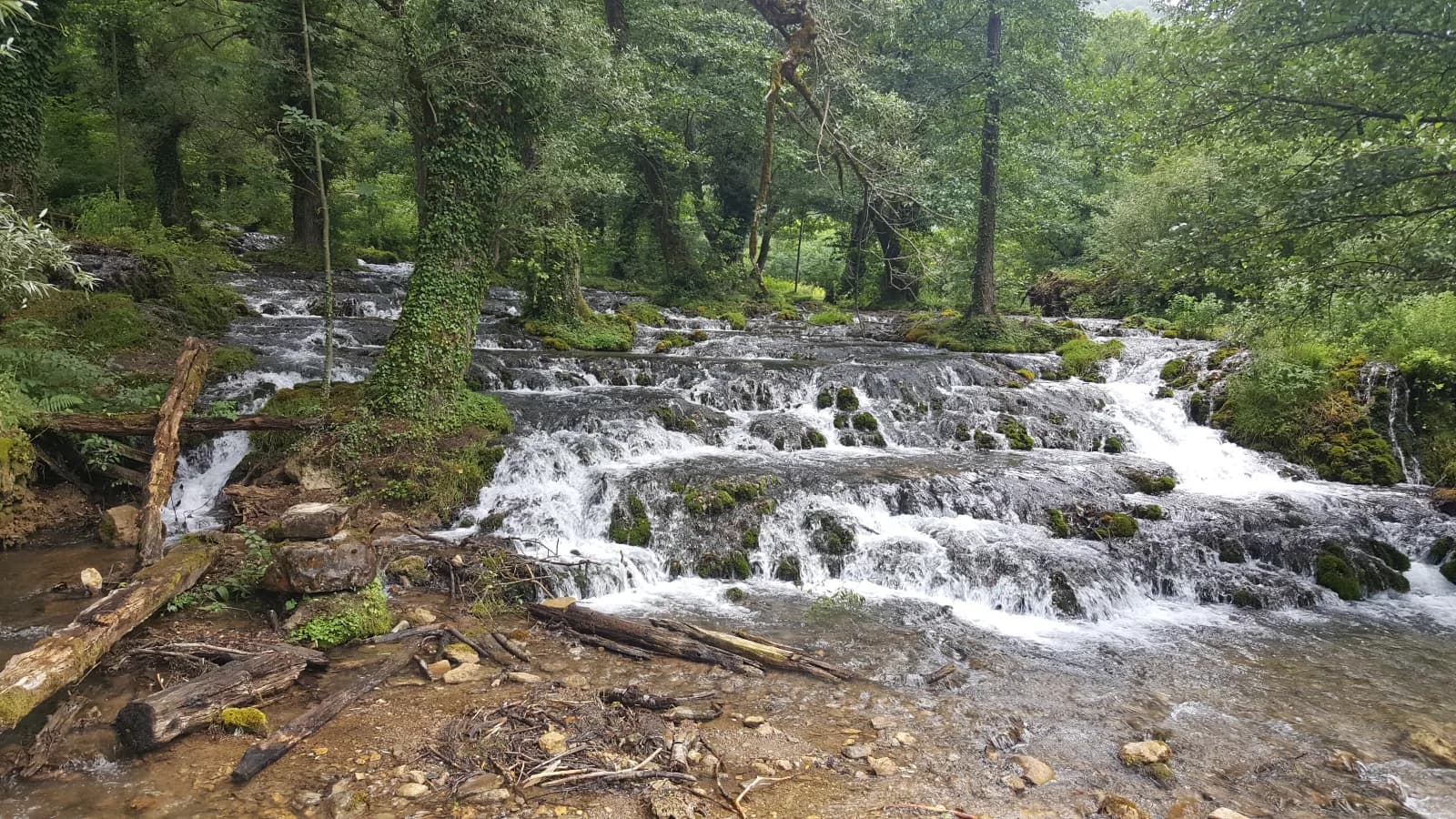
03.When you head upstream from Šipovo, where the mountain opens its bosom to let the restless river pass, you step into a world where time no longer moves with that same urban rush. It is only here, at Janjske Otoke, that you begin to understand how nature can weave a universe of its own - made of water, stone and silence. This is not a landscape for a passing glance; it is a guided labyrinth of ancient little bridges and river islets where the crystal-clear Janj River branches into dozens of channels, embracing small forest islands and cascading over moss-covered rocks into foaming waterfalls. The Roar of Water and the Breath of Ancient Waterways From the very first step across the trembling wooden bridges, the air feels different: heavy with freshness, scented with moss, dew and damp wood. Here, the water does not flow quietly; it sings and pushes its way through willow and alder groves, creating a roar that fills the entire valley. Along the very banks, log cabins still stand today, witnesses to traditional folk architecture and a time when each day was measured by sunrise and the rhythm of the watermill wheel. The emerald depths of the Janj are so transparent that every pebble and every blade of water grass bending beneath the strong current can be seen on the riverbed, while the cascades tirelessly weave their whitish web of foam. Under the Log Cabin Roof: The Scent of Resin and Silence Tall treetops cast deep shade over the river islets, offering every weary traveller a welcome respite during the hot summer days. The scent of dry pine needles and resin, the creaking of wooden fences and the warm interior of the traditional cottage bring back an almost forgotten feeling of shelter and security. Here, silence is not empty; it is filled with the soothing sound of waterfalls, preparing travellers for a deep and restorative sleep. Warm Hospitality: Piljić Farmstead and the Warmth of "Kod Dragane" The most beautiful magic of the Otoke reveals itself in those small, warm human details that bear witness to the local spirit of this region. Right on the riverbank, surrounded by green shade, the “Konoba kod Dragane” inn welcomes travellers with an intimate, old-fashioned warmth. Everything here is designed for relaxation: red-and-white checked tablecloths spread across wooden tables beneath covered terraces create that old, gentle atmosphere of a traditional village courtyard. Here, drinks are not chilled in refrigerators, but in the icy, crystal-clear waters of the Janj flowing beneath the wooden bridges. Small touches for the eye and soul, along the water and the trails, are discreetly woven into the landscape: colourful flowerpots filled with bright pink begonias, red wooden mushrooms tucked into the moss, and white decorative ducks that silently “swim” beside the whitish foam of the waterfalls. Every detail reveals the hosts’ care for their guests. A small souvenir shop - a wooden cottage filled with the aromas of rakija, liqueurs in glass bottles, homemade jams, honey, flour ground on a watermill stone, and freshly braided strands of Janj cheese. Local Table: The Blessings of the Janj Hearth At the Otoke, even the dining table follows an old tradition. The hosts serve what their own hands have lovingly prepared, following recipes passed down from generation to generation: The famous braided Janj cheese and thick kajmak, carrying the flavours of the mountains and pure pastures, prepared according to a tradition preserved here as one of the greatest treasures. Local delicacies prepared under the sač and on the grill, hot homemade fritters served with local cheese, crispy pie, succulent roast and rolled specialities served on checked tablecloths, Janj pie and Janj river trout grilled just enough to preserve its delicate, full flavour. Every bite at this table is a small ode to the homeland, a reminder of times when food was blessed and every guest was welcomed like the closest of kin. A Walk Through "Paradise on the Water": A Symphony of Details and Soothing Waters After the traditional feast, the path naturally leads towards a secluded corner of the Otoke - “Paradise on the Water”. This is not merely a place for a passing stroll; it is an oasis where every detail seems to carry its own hidden message and story. Bridges as passages into another dimension: Every step across them leaves the bustle behind, while signposts pointing towards world metropolises remind you how far the great cities are from this untouched silence. A Retro Installation with a Message from Another Time: On a tree embraced by ivy, an unusual, warmly coloured display awaits you: an old typewriter, an analogue television and a radio set beneath a “Welcome” sign. These details seem to send a quiet message: here, digital noise gives way to warmer, forgotten times and the sounds of nature. Right on the riverbank, where the river calms into a deep greenish pool, wooden loungers are lined up. From there, the view towards the tall, moss-covered rocks in the background and the dappled sunlight filtering through the treetops creates a scene in which it is easy to forget about time. And when night falls and the sound of the water becomes the only melody, you can stay overnight in secluded log cabins and rural homesteads and drift into the most peaceful sleep. A Final Word Before Leaving Everything here, from the colourful flowers in pots to the views of the water, seems thoughtfully designed with the intention of bringing people back to themselves. Leaving Janjske Otoke means leaving a part of yourself behind, because at Janjske Otoke you once again learn what it means to be part of nature - not its master, but its quiet observer. JANJSKE OTOKE: INFORMATIONAL OVERVIEW Basic Information: Location: Municipality of Šipovo, southwestern part of Republika Srpska (9 km upstream from the centre of Šipovo towards the source of the Janj River). Type of site: Nature reserve, a river landscape featuring channels, islets, cascades and waterfalls. Distance and Travel Banja Luka - Janjske Otoke: 88 km (~1 hour 30 minutes by car via Krupa na Vrbasu and Mrkonjić Grad) Or: 96 km (~1 hour 45 minutes by car via Manjača - a less congested route) Sarajevo - Janjske Otoke: 185 km (~3 hours by car via Travnik and Donji Vakuf). Gastronomy and Approximate Food Prices Lunch for 4 people (total): approximately 80–120 KM (€40–60). Accommodation Overnight stay per person (rooms): approximately 25–35 KM (€13–18). Rental of an entire log cabin / apartment (4–6 people): approximately 80–120 KM (€40–60) per night. During the summer months, on weekends and public holidays, prices may be at the upper end of this range (or a minimum stay of two nights may be required), while prices are somewhat lower on weekdays and outside the peak season. Activities and Facilities Facilities: visitors can enjoy walks across wooden bridges and forest trails, relax on wooden loungers by the river, photograph the cascades, and purchase local products from small local souvenir shops. “Janj” Primeval Forest: a nature reserve protected by UNESCO, located approximately 25 km from Janjske Otoke (accessible via forest roads from the direction of Šipovo through Strojice). Access to the core area of the primeval forest is strictly limited, and visitors are permitted to walk only along marked trails around its perimeter and with the guidance/prior notification of the responsible forestry staff and local guides (contact ŠG “Gorica” or the Šipovo Tourist Organization). Entrance to the primeval forest is free of charge. Parking At the very entrance to the picnic area, there are expanded parking areas and landscaped meadows suitable for vehicle parking Fee: during weekends and the summer season, the full-day parking fee is 5 KM (approximately €2.50) Tip: due to the large number of visitors during the season and on weekends, it is best to arrive early in the morning so that you can more easily find a parking space near the entrance and in the shade. Important Websites (recommended): Natural Beauties of Šipovo – The Most Beautiful Places You Must Visit - Šipovo Tourist Organization ŠG “Gorica” Šipovo – Forests of Republika Srpska
 01.
01.
 01.
01.When you head upstream from Šipovo, where the mountain opens its bosom to let the restless river pass, you step into a world where time no longer moves with that same urban rush. It is only here, at Janjske Otoke, that you begin to understand how nat…
03.On the journey through Mačva, between the plains and the Drina region, Cer rises above the landscape. It is not a high mountain, nor does it take much time to reach its wooded slopes, but there are few places where nature and history come into such d…