
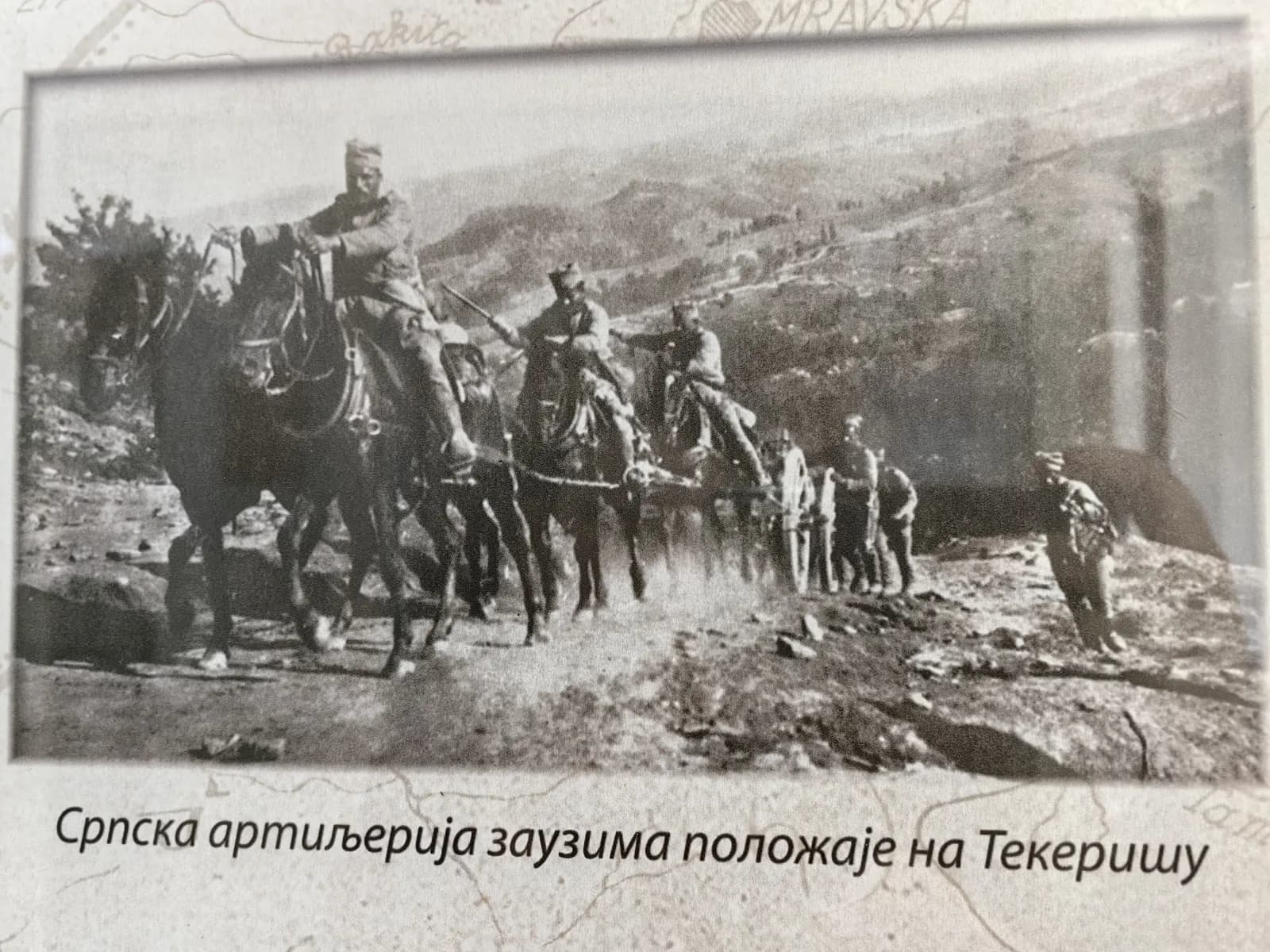
In mid-August 1914, the Austro-Hungarian offensive began along several axes, with the main forces advancing across the Drina, while another important axis ran across the Sava toward Šabac. Loznica was occupied, Šabac came under pressure, and Serbian units were ordered to move as quickly as possible toward the areas where the main clash was expected.
One of the most important directions led toward Mount Cer.
The Serbian army was exhausted after the Balkan Wars, but it had experienced commanders and soldiers who already knew what modern warfare looked like. In the days that followed, units covered great distances in a short time, often with little rest, in order to reach their positions before the Austro-Hungarian forces.
Thus began the Battle of Cer, one of the most significant victories of the Serbian army in the First World War and the first major Allied victory of the Great War.
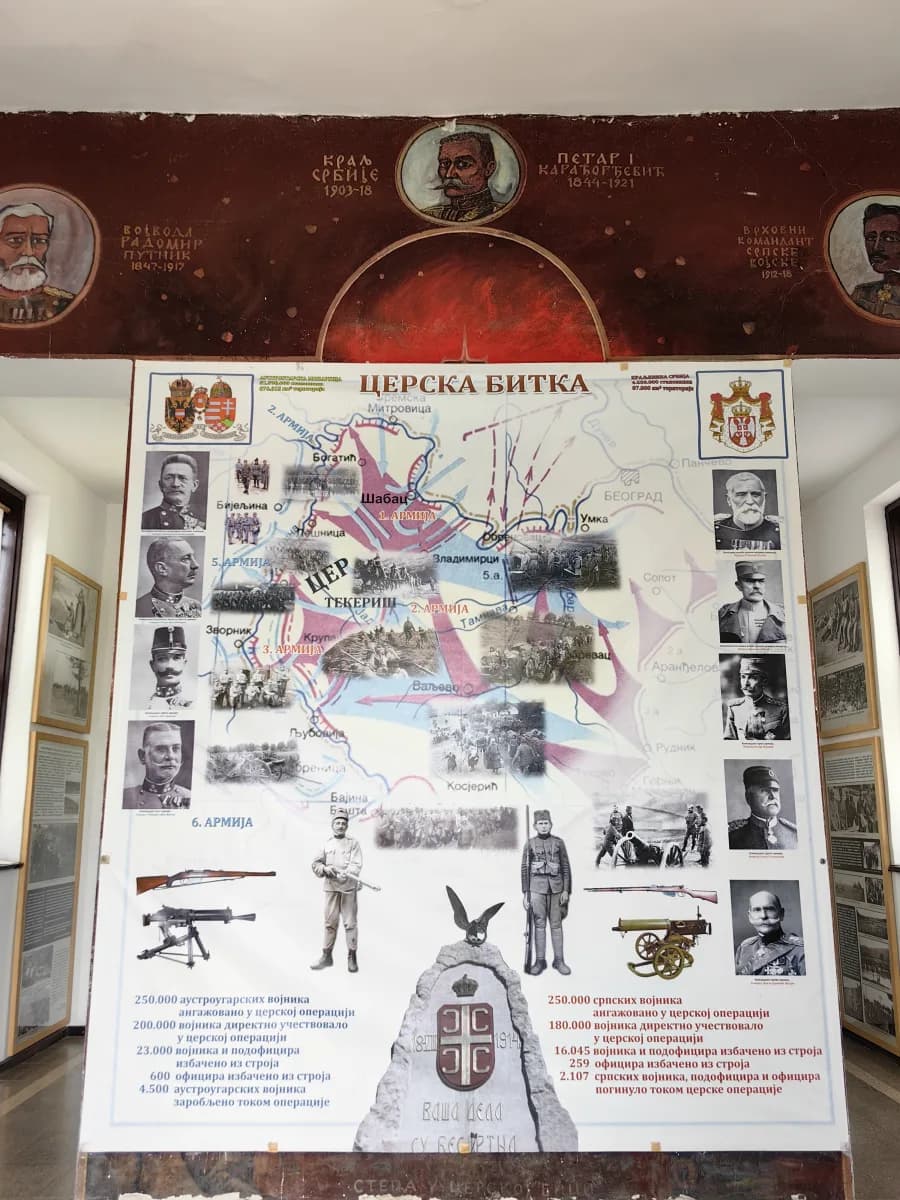
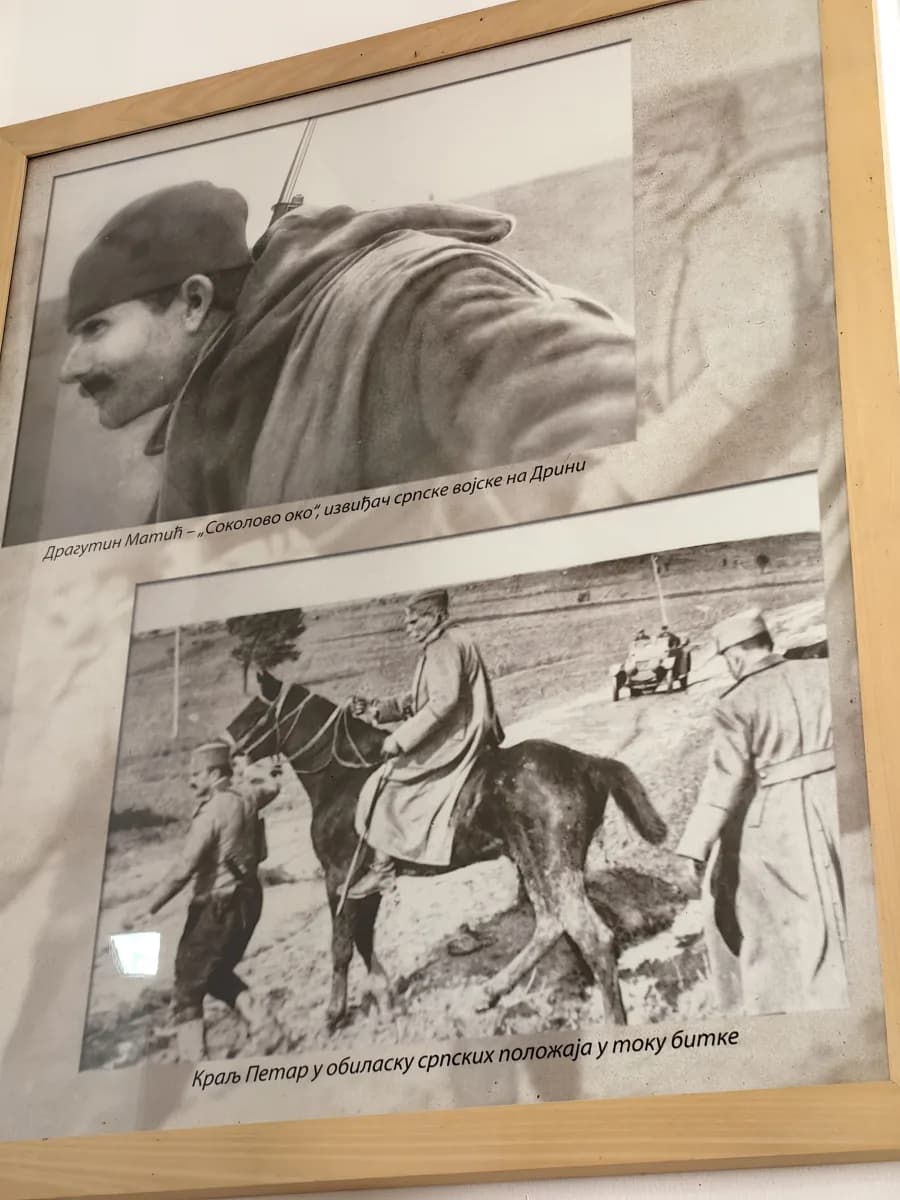
At the head of the Serbian Supreme Command was Field Marshal Radomir Putnik, one of Serbia's most experienced military commanders. His task was to assess the entire battlefield and direct the main forces toward the axis along which the enemy offensive was developing.
The March Toward Cer
The Second Army, commanded by General Stepa Stepanović, played the most important role on Mount Cer itself.
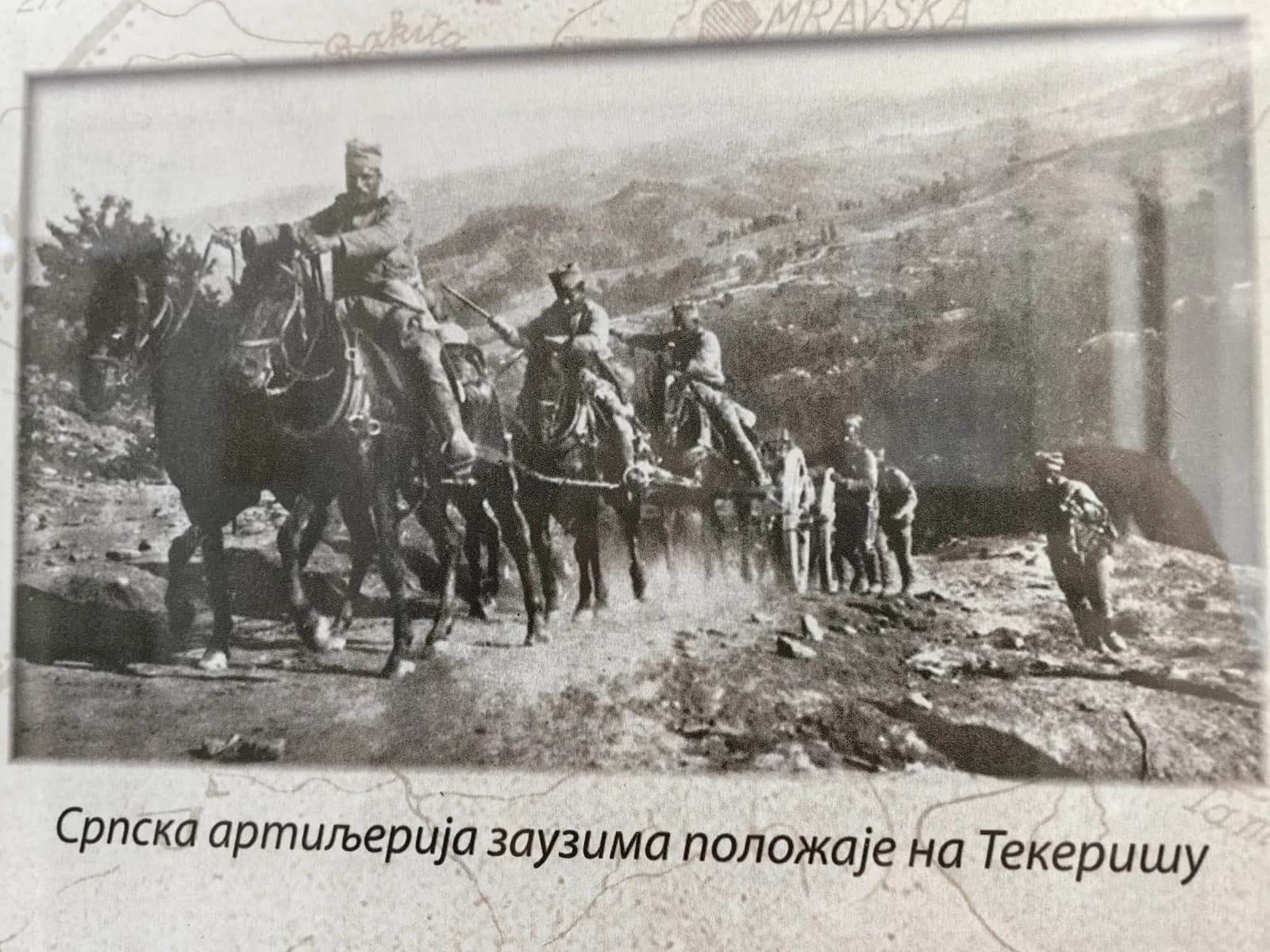
His units set out toward Cer after exhausting marches. Some detachments covered dozens of kilometres a day, while the soldiers moved with almost no rest. The aim was to seize the dominant positions on the mountain as quickly as possible and prevent the Austro-Hungarian army from reaching them first.
The Second Army, under Stepa Stepanović's command, played a decisive role in the main fighting on Mount Cer.
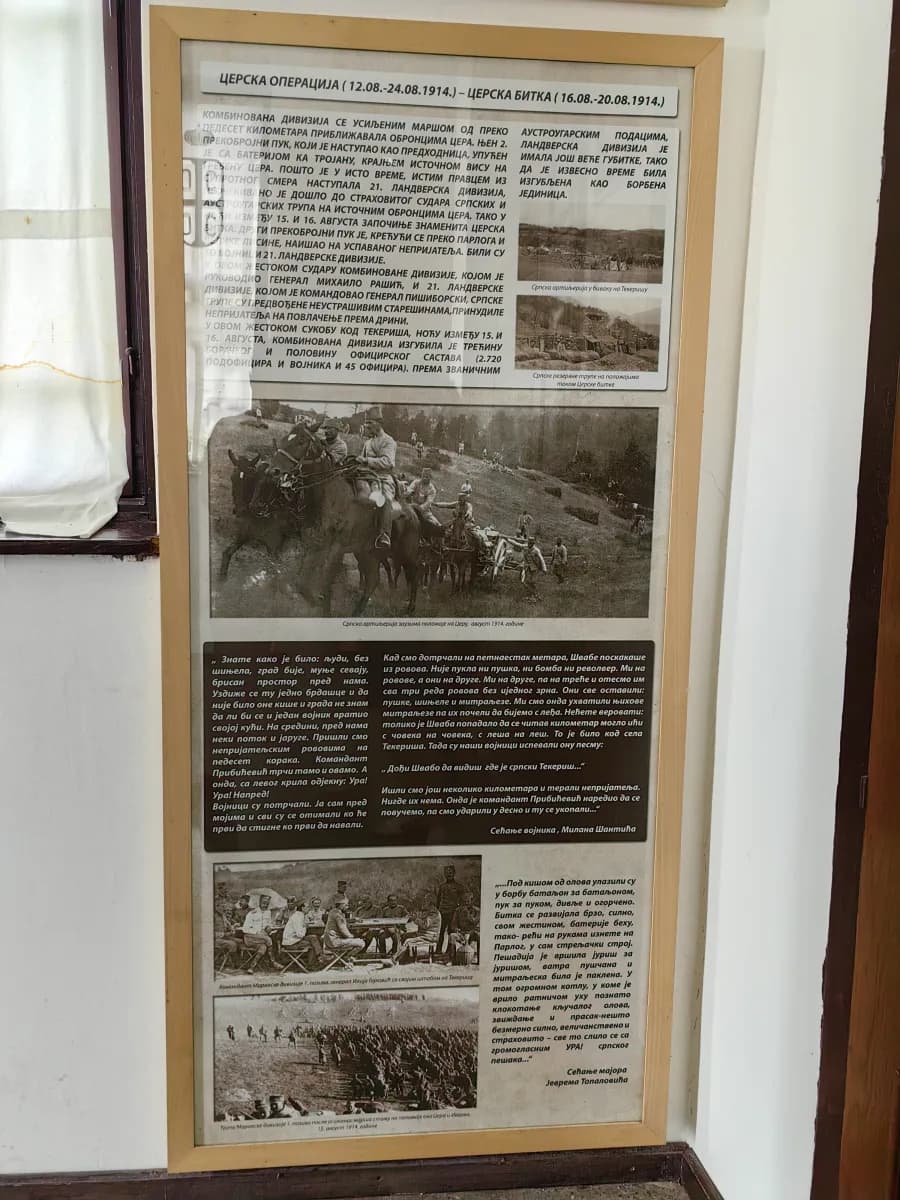
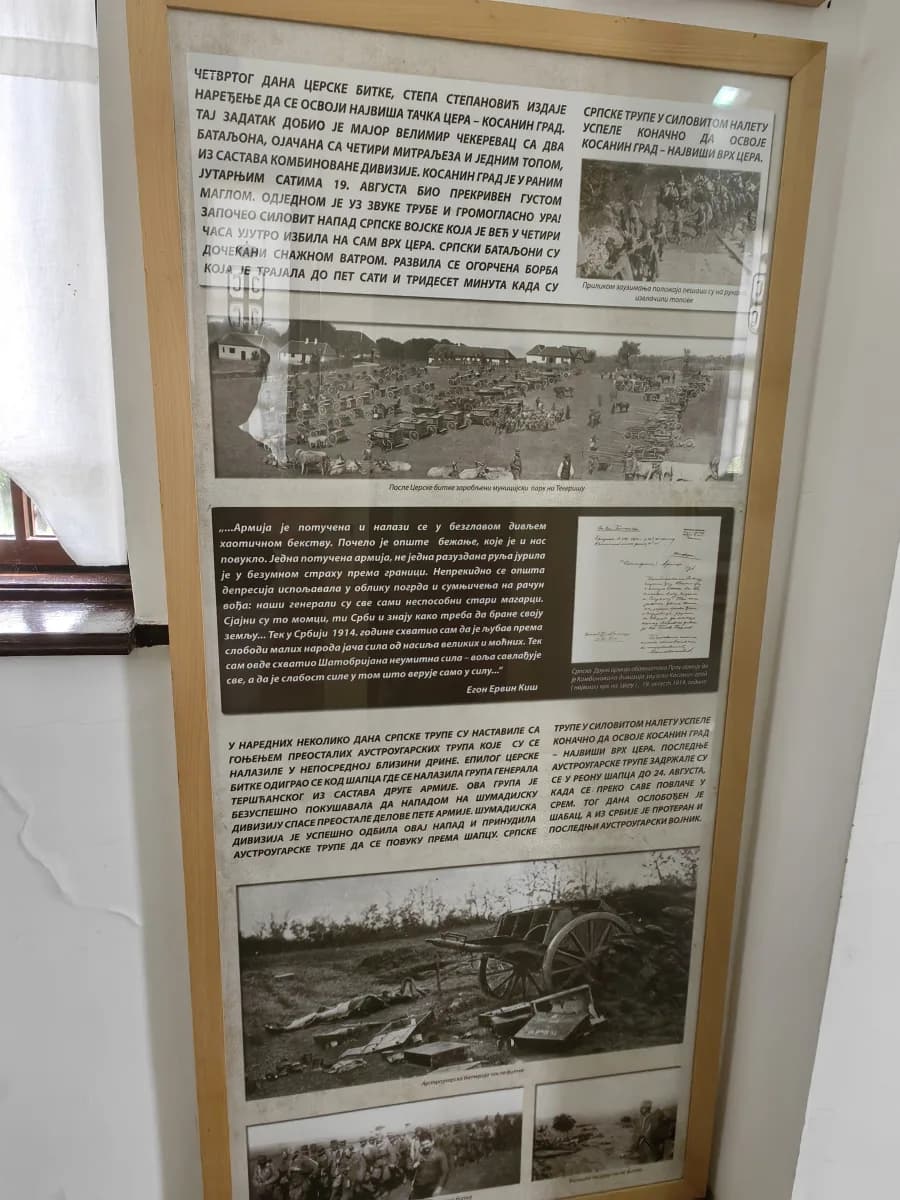
The night clash near Tekeriš was the prelude to the main battles that would engulf Cer and Iverak in the days that followed.
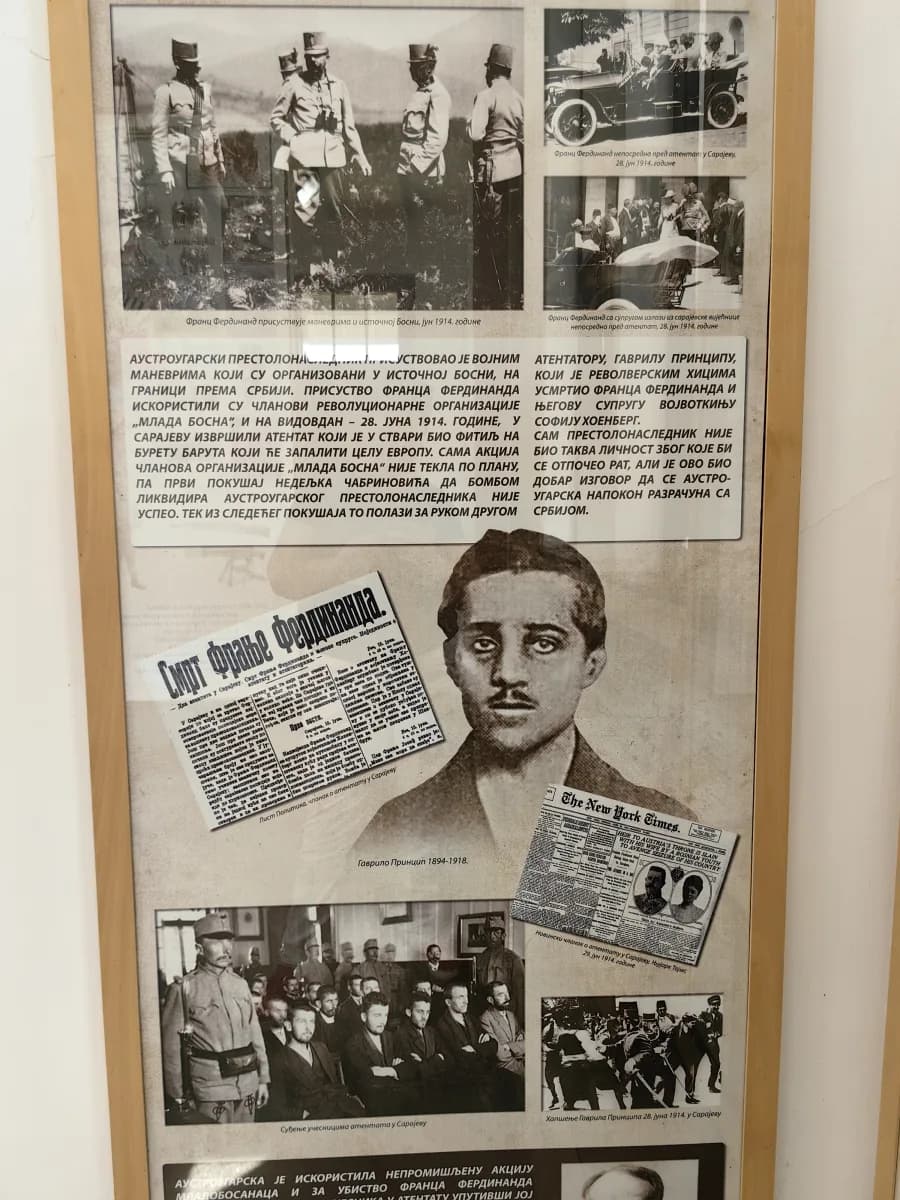
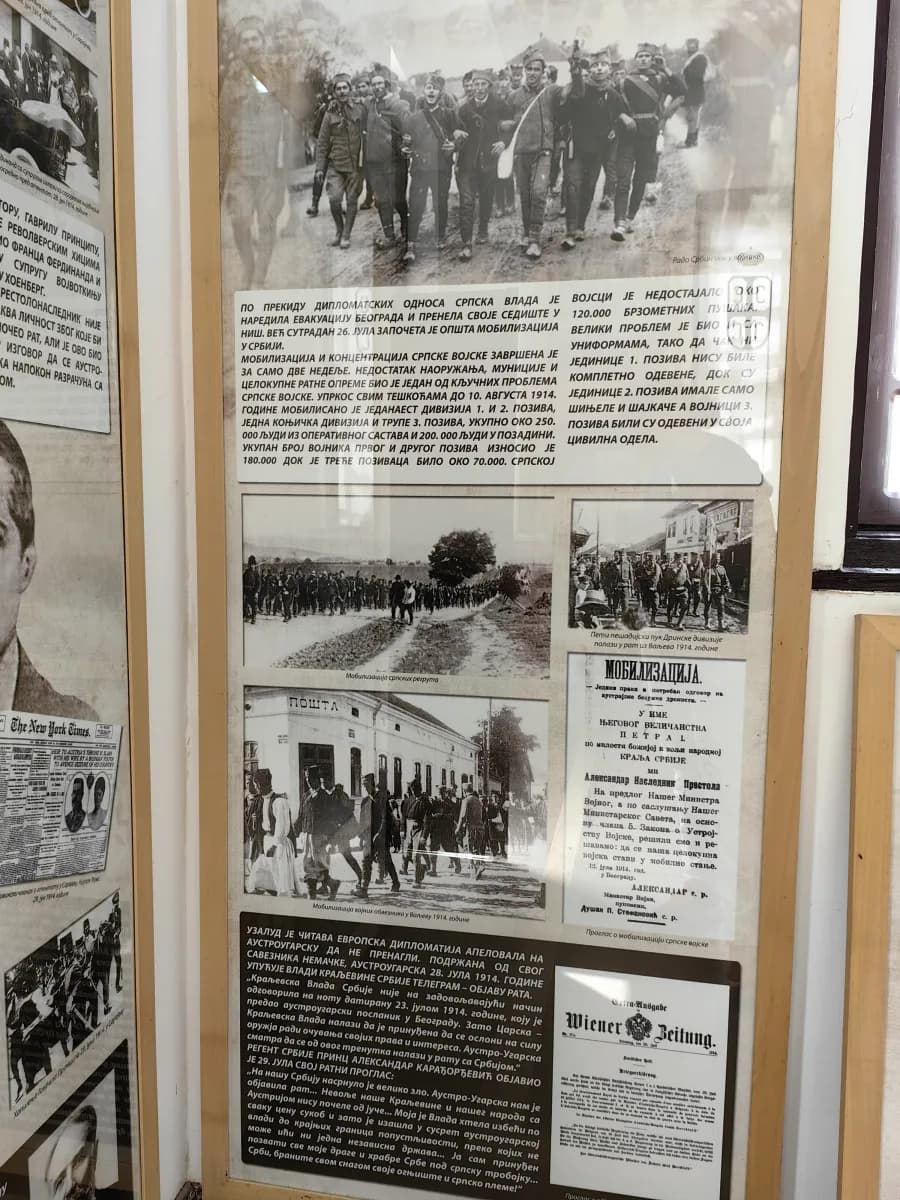
The Days of Decisive Fighting
On August 16, the fighting spread along the Cer positions. In the broader course of the operation, the First Army, commanded by General Petar Bojović, also played an important role. Its units came to the aid of the Second Army and subsequently took part in the final operations in the Mačva region and around Šabac. In this way, Bojović's army helped prevent the Austro-Hungarian forces from retaining their positions across the wider area of operations.
The Third Army was commanded by General Pavle Jurišić Šturm. Its role was part of the broader deployment of the Serbian army and the protection of the routes leading toward the interior of Serbia. Although the main fighting of the Battle of Cer is associated with the Second Army, the success of the Serbian army also depended on the other armies holding their positions and preventing the enemy from threatening the flanks of the main forces.
By August 19–20, elements of the Austro-Hungarian 21st Division had begun a retreat that spread to other directions as well.
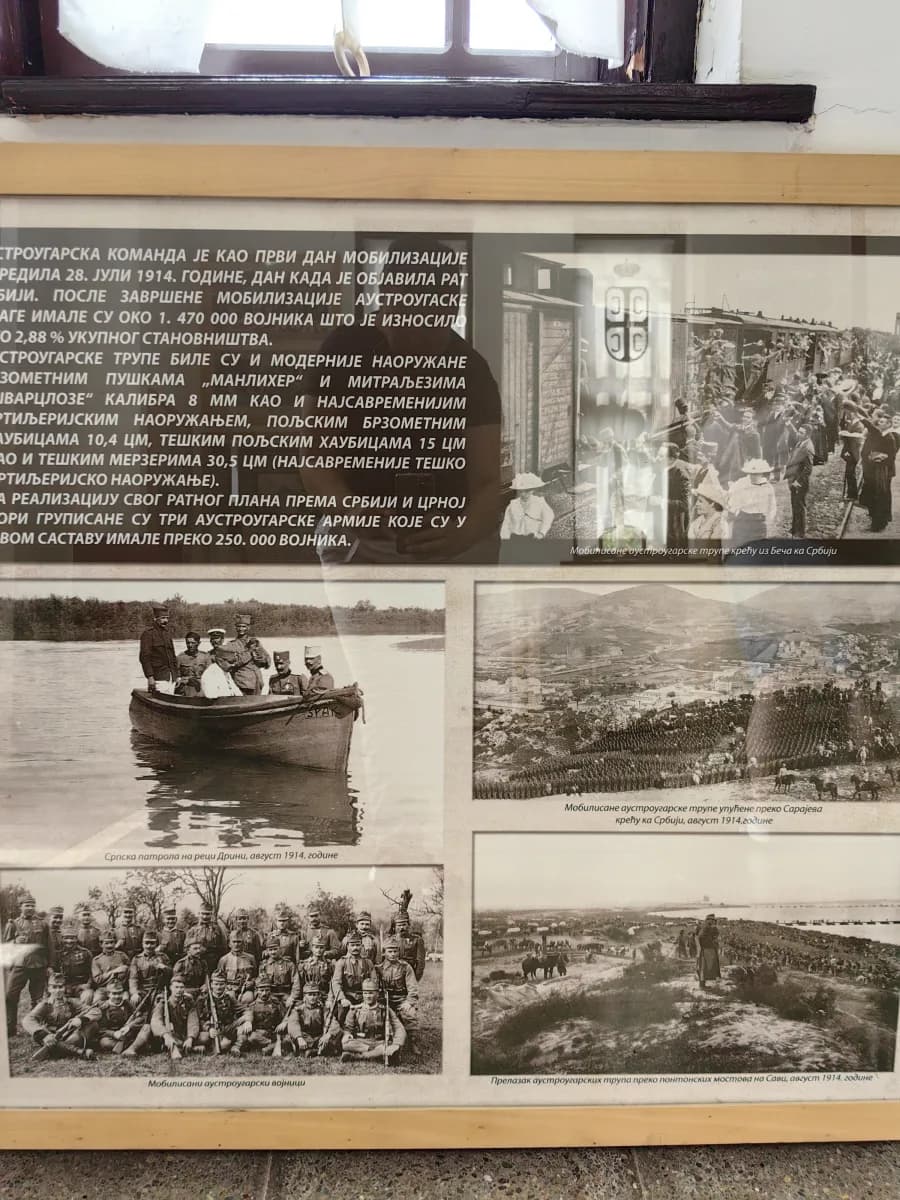
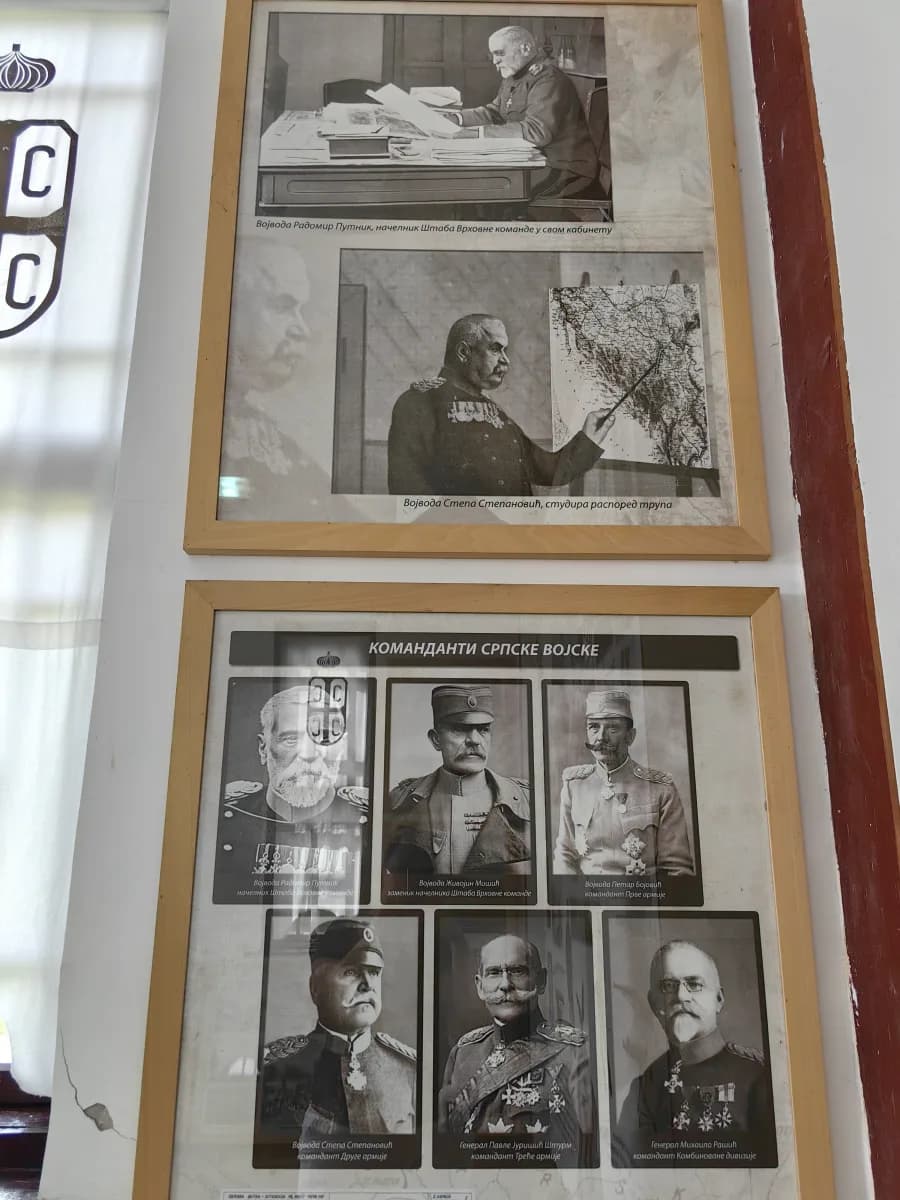
The Commanders Who Led Serbia to Its First Great Victory
The Battle of Cer was not the work of a single commander. On the battlefield, decisions were made by army commanders, while the Supreme Command directed the operation as a whole.
Radomir Putnik, as Chief of the General Staff of the Supreme Command, directed operations at the highest level. His experience was particularly important at a moment when the Serbian army had to abandon its initial deployment and rapidly move its main forces toward the west.
Stepa Stepanović, commander of the Second Army, was the most important commander on Mount Cer itself. His decision to seize the dominant positions on the mountain was one of the key moments of the battle. For his role in commanding the Battle of Cer, he was promoted to the rank of Field Marshal.
Petar Bojović, commander of the First Army, brought his units to the aid of the Second Army, while his army played an important role in the final operations in Mačva and around Šabac.
Pavle Jurišić Šturm, commander of the Third Army, was part of the broader deployment of the Serbian army during the Cer operation. His army held the front along the Drina and bore a large part of the initial Austro-Hungarian offensive, thereby enabling the Second Army to carry out its marching manoeuvre toward Cer.
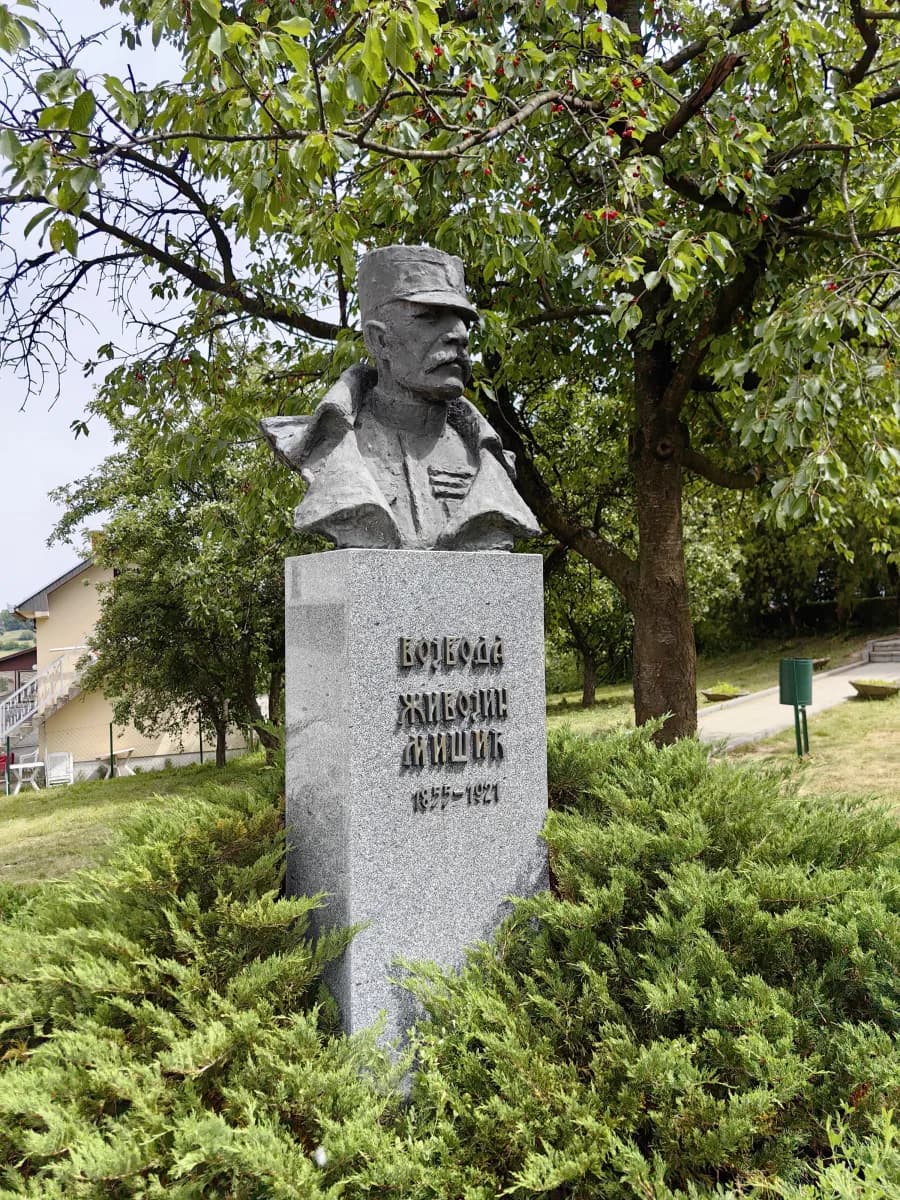
There was also Živojin Mišić, then Deputy Chief of Staff of the Supreme Command. Mišić did not command any of the armies directly engaged in the fighting on Cer; his contribution came through his work within the Supreme Command and his role in planning and directing operations. Only a few months later, following the Battle of Kolubara, Mišić would be promoted to the rank of Field Marshal and become one of Serbia's most famous military commanders.
That is why the names of these commanders stand together today at Tekeriš. They represent the different levels of command through which the Serbian army carried out one of its most important operations.
A Great Victory, Great Losses
The victory at Cer came at a heavy cost.
The Serbian army suffered heavy losses. According to figures cited in Serbian military sources, more than 16,000 non-commissioned officers and soldiers and 259 officers were put out of action, with the losses including those killed, wounded, missing and captured.
The Austro-Hungarian army suffered a defeat with around 25,000 killed and wounded, while more than 4,500 soldiers were taken prisoner.
The war did not end on the positions where the armies had clashed. After the Austro-Hungarian forces withdrew, scenes of great suffering remained in Mačva and Pocerina. Civilians were killed, while houses were burned and destroyed, along with churches and other buildings that were damaged or destroyed.
For the inhabitants of this region, the war thus became a reality far broader than the military clash on Cer.
The First Allied Victory of the Great War
News of the Serbian victory quickly echoed across Europe.
Austria-Hungary, a major European power, was forced to withdraw its forces from Serbian territory. The Battle of Cer thus became the first major victory of the Allied Powers in the First World War.
For Serbia, the significance of the victory was even greater. The country had just emerged from two Balkan Wars, its army was exhausted, and its opponent was superior in both numbers and material resources. Yet the Serbian army managed to shift from defence to counterattack and drive the Austro-Hungarian forces back toward the Drina.
Tekeriš Today
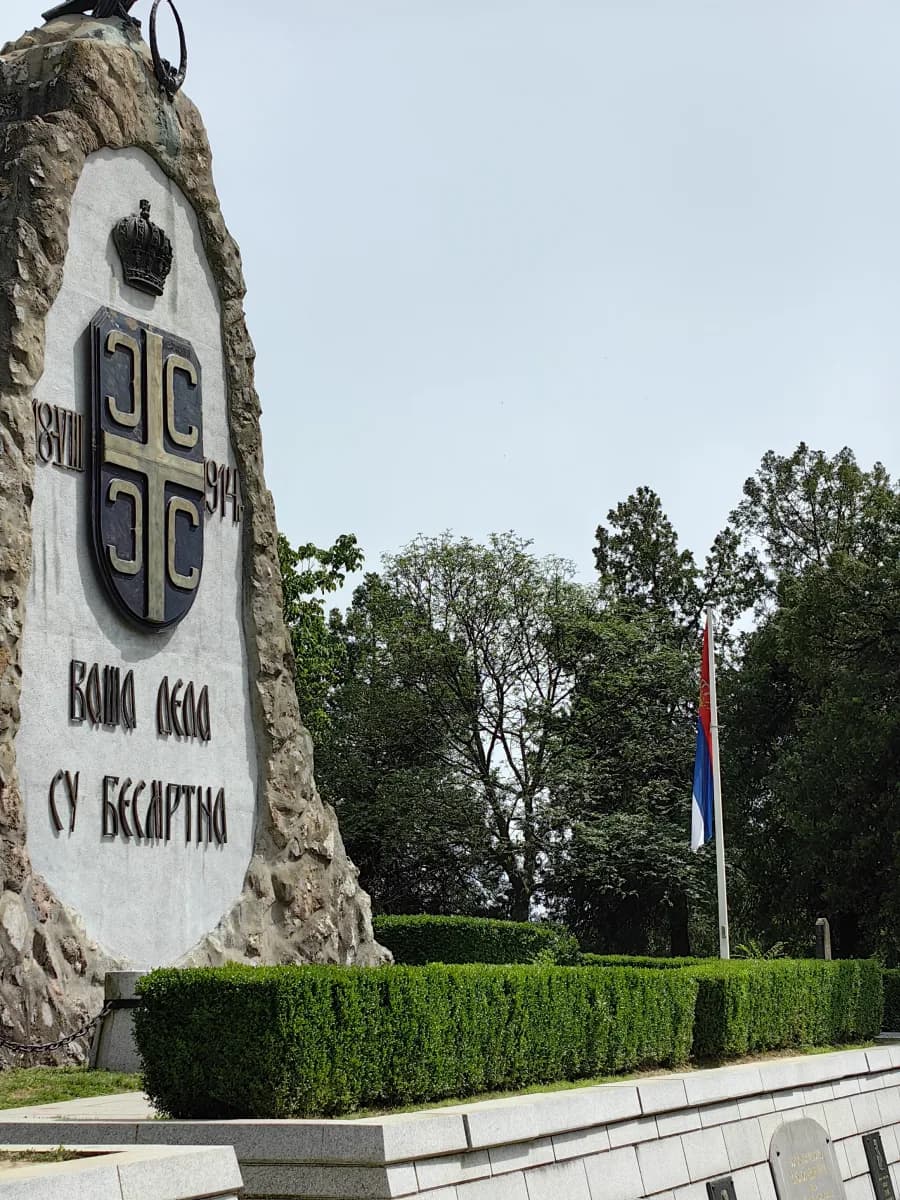
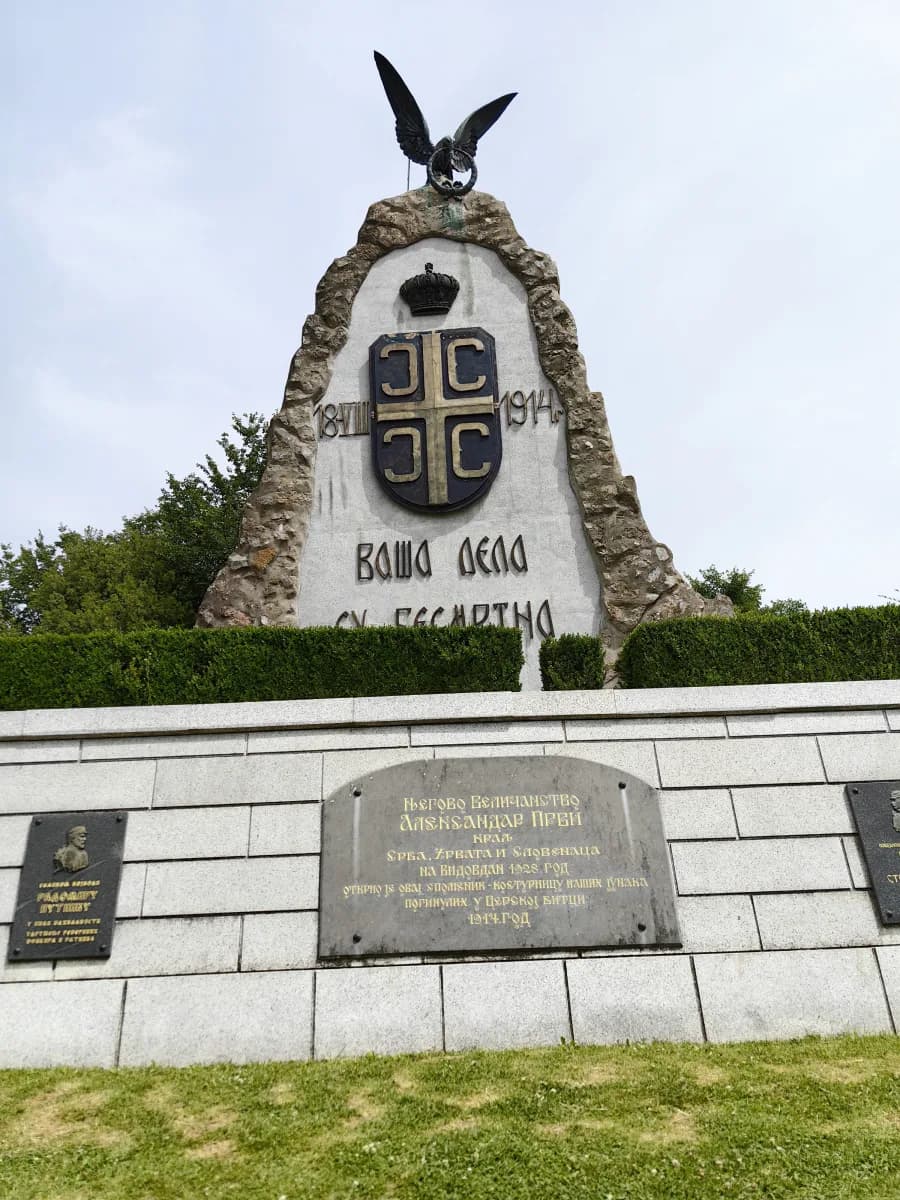
Tekeriš is home to a memorial ossuary dedicated to Serbian soldiers who fell in the battle. It was built in 1928 at the site of fighting that helped determine the outcome of the Battle of Cer. The ossuary contains the remains of soldiers who fell on the Cer battlefield.
The simple inscription on the front reads:
“Your deeds are immortal.”
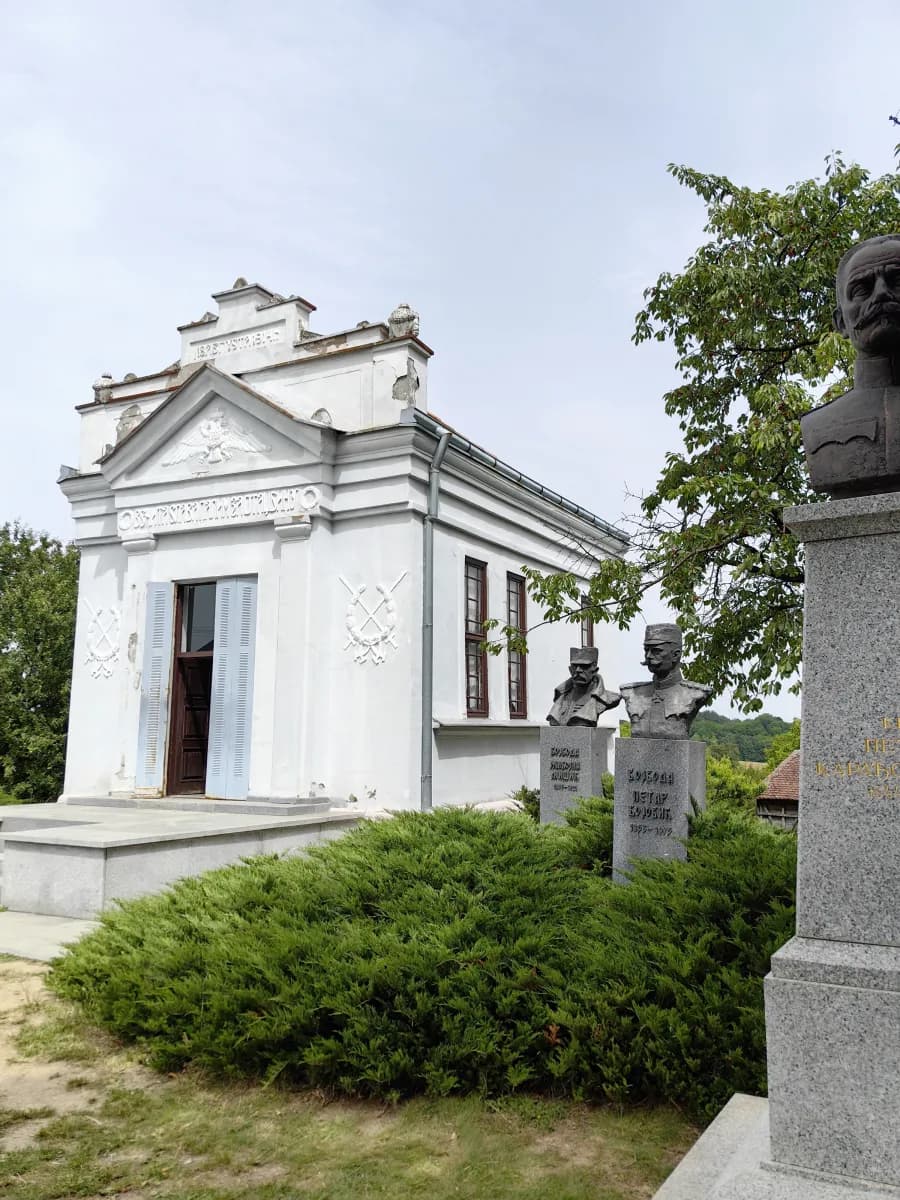
The memorial complex also includes an exhibition dedicated to the Battle of Cer. In front of the museum exhibition are busts of Field Marshal Radomir Putnik, Field Marshal Stepa Stepanović, General Petar Bojović and General Pavle Jurišić Šturm, four commanders whose names are closely associated with the Serbian military command during the Cer operation.
The wider area of Mount Cer is now crossed by hiking and walking trails.
The Battle of Cer lasted only a few days, but its outcome changed the picture at the beginning of the First World War. The Serbian army stopped the Austro-Hungarian advance, launched a successful counterattack and achieved victory over the army of a major European power.
Today, Tekeriš commemorates that victory through more than dates and military maps. The memorial ossuary, the names of the commanders and the traces of the fighting on Cer create a place where history can be viewed from many different perspectives — from the decisions of the Supreme Command to the soldiers who fought on the slopes of the mountain.
Sources used for the article and recommendations:
https://www.mod.gov.rs/lat/17052/cerska-bitka-prva-pobeda-antante
https://roadstothegreatwar-ww1.blogspot.com/2026/05/the-allies-first-victory-battle-of-mt.html?utm