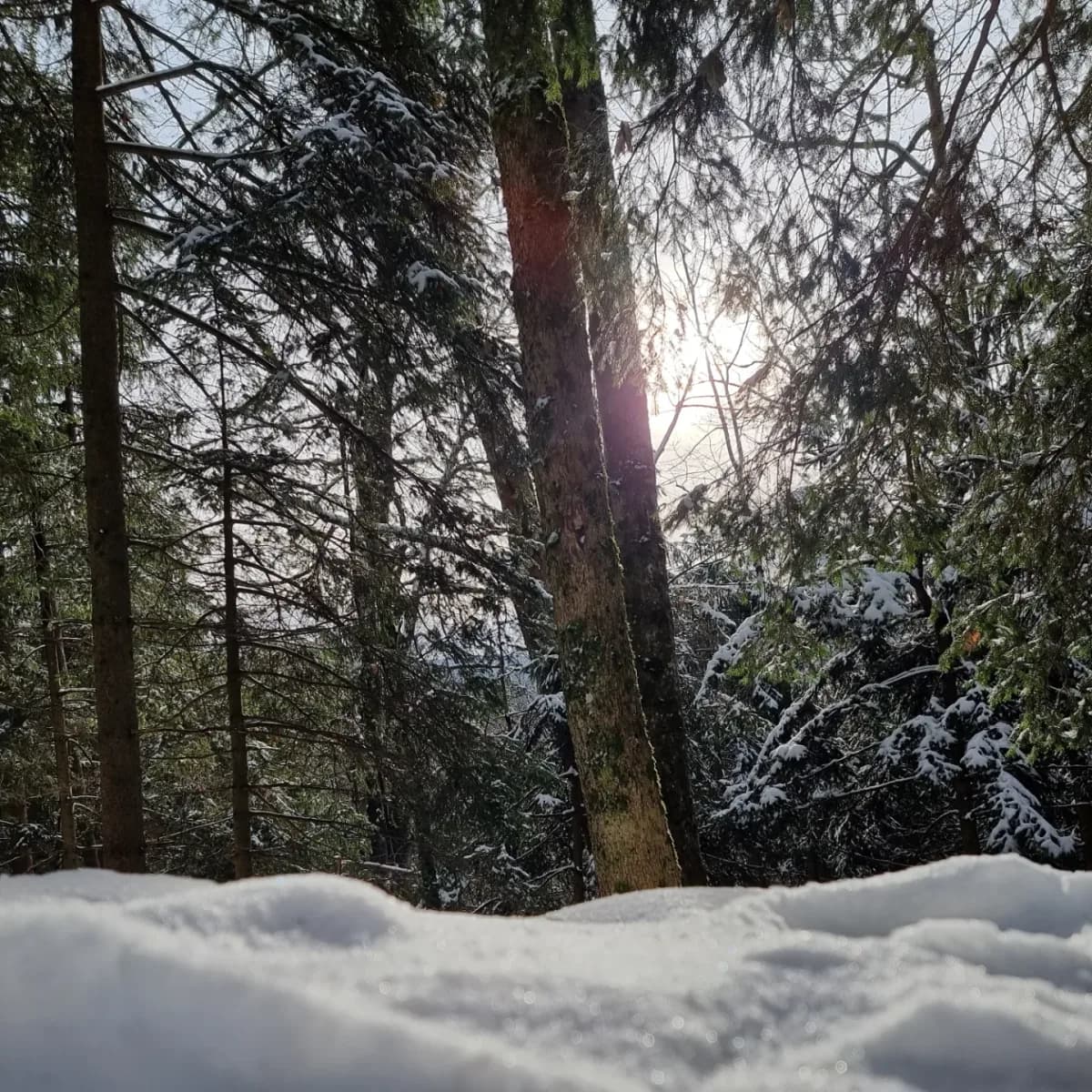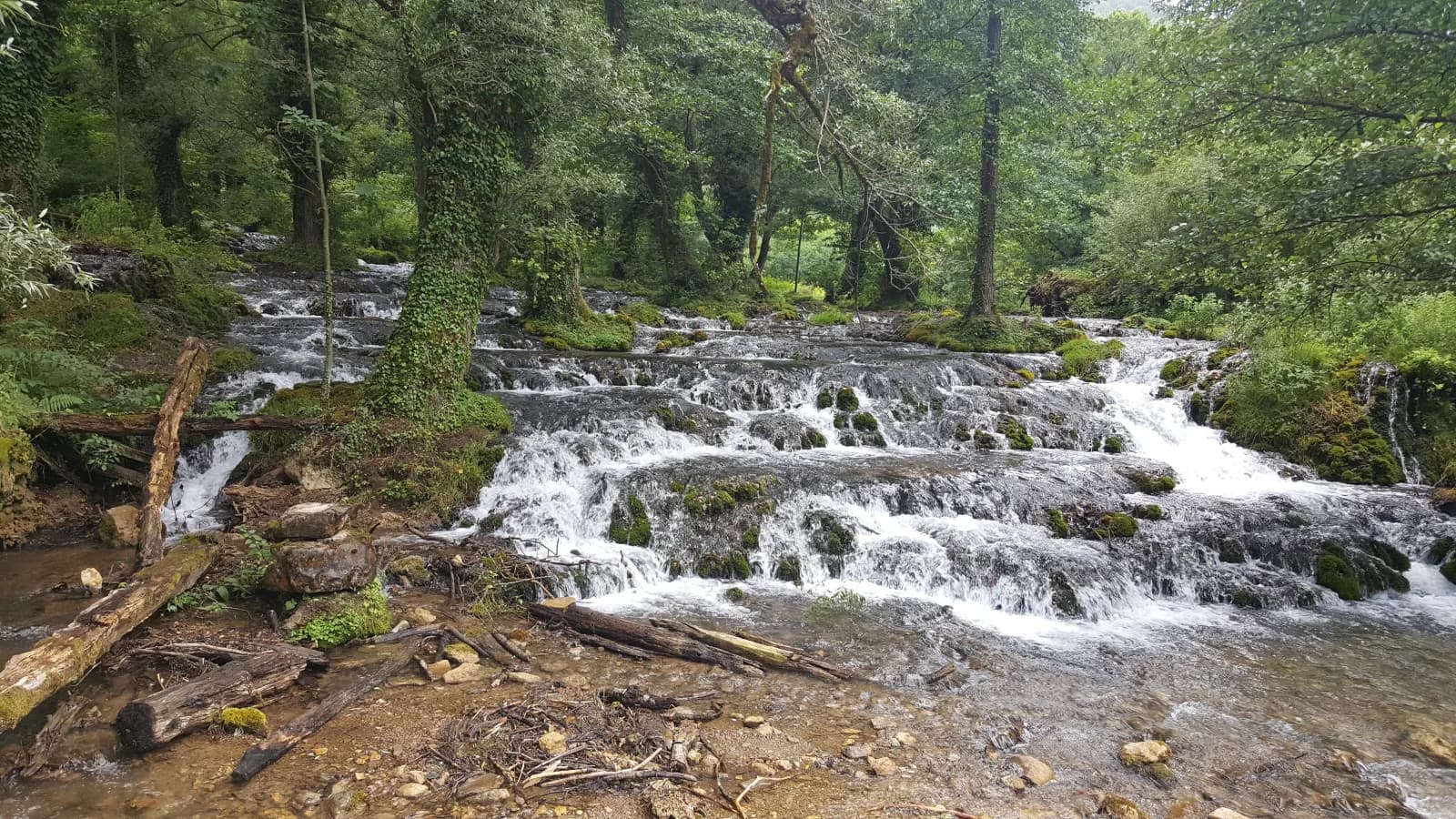

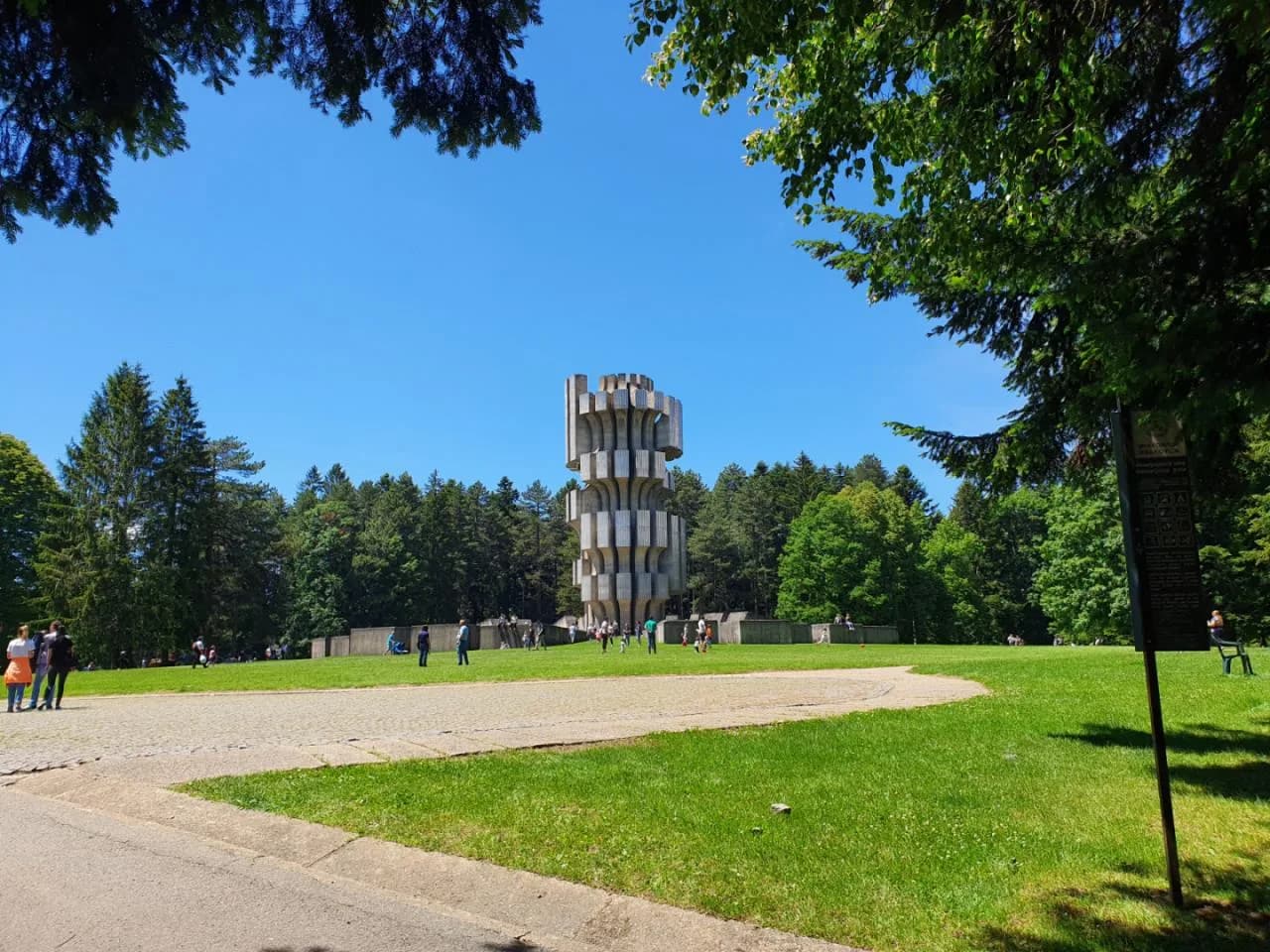
Just an hour's drive from Banja Luka and Prijedor, where the bustle of the city gives way to the scent of tall pine forest and fresh mountain air, rises Kozara.
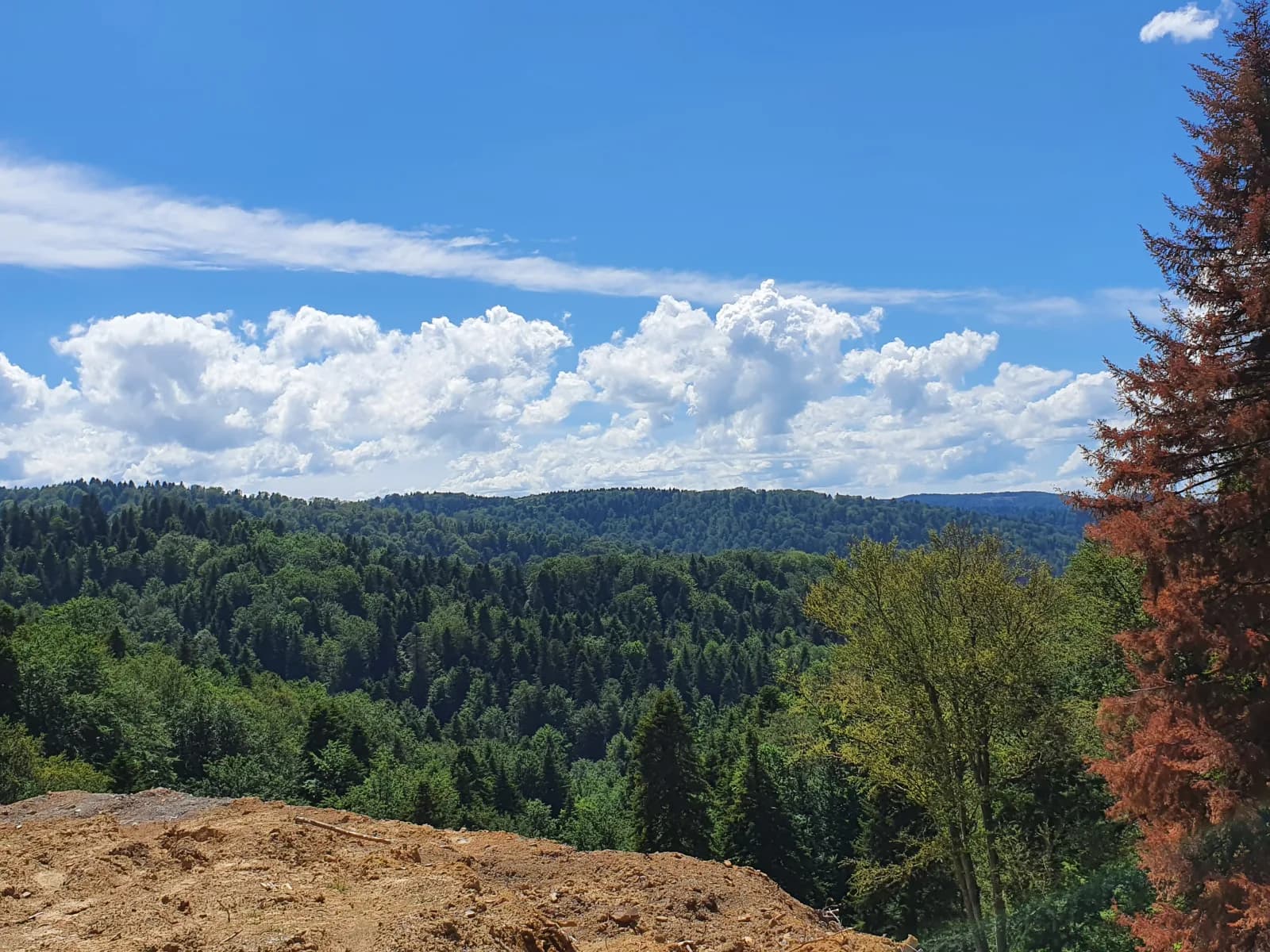
Known as the "Beauty of the Krajina," this mountain is one of those places where nature and history cannot be viewed separately. Its dense deciduous and coniferous forests, clearings, and mountain springs, crisscrossed by numerous hiking and cycling trails, today attract day-trippers, hikers, and families throughout the year.
Kozara's highest peak, Lisina, reaches 978 meters, but this mountain's uniqueness lies not only in its height. It lies in the sense of space, in the silence of the forest, in the view that opens up from its clearings, and in the knowledge that this very region was, through the centuries, both a refuge and a hiding place, as well as the site of major historical events.
Kozara stretches between the Sava River to the north, the Vrbas to the east, the Sana to the south, and the Una to the west. Its position has always given it special significance, and its forested areas served as natural protection and refuge for the population in turbulent times.
From the dense forests and sunny clearings of Mrakovica to the monumental memorial, Kozara is a mountain that offers both complete respite in nature and deep reverence for history.
The living world of Kozara
A special value of Kozara also lies in the richness of plant and animal life preserved in its forests, meadows, and streams. That is precisely why walking through the National Park is not merely movement through nature, but also an opportunity to get to know it.
Numerous well-kept trails pass through the forest and lead visitors to different parts of the park, and along certain trails information boards have been placed, dedicated to Kozara's plant and animal life. On them, visitors can learn more about the species inhabiting this area, their habitats, and the importance of preserving natural balance.
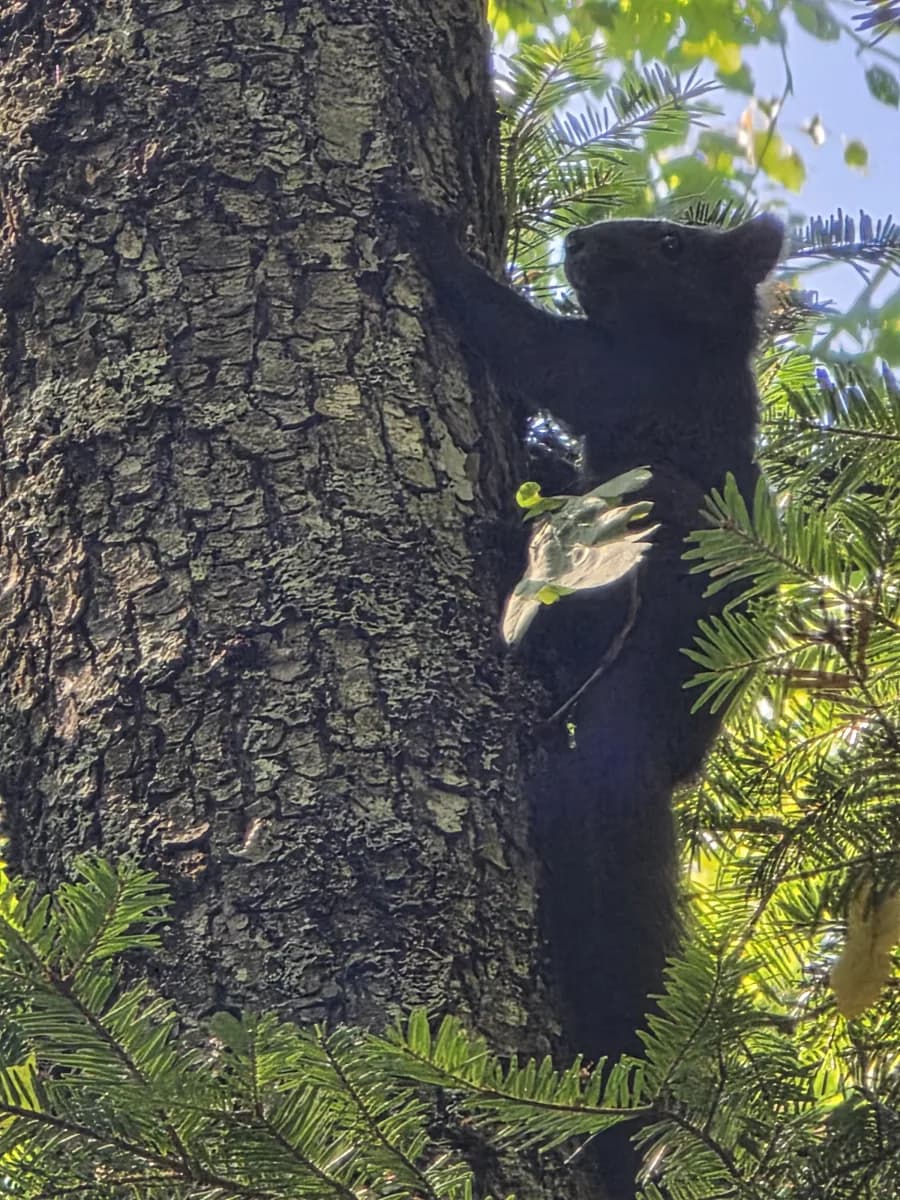
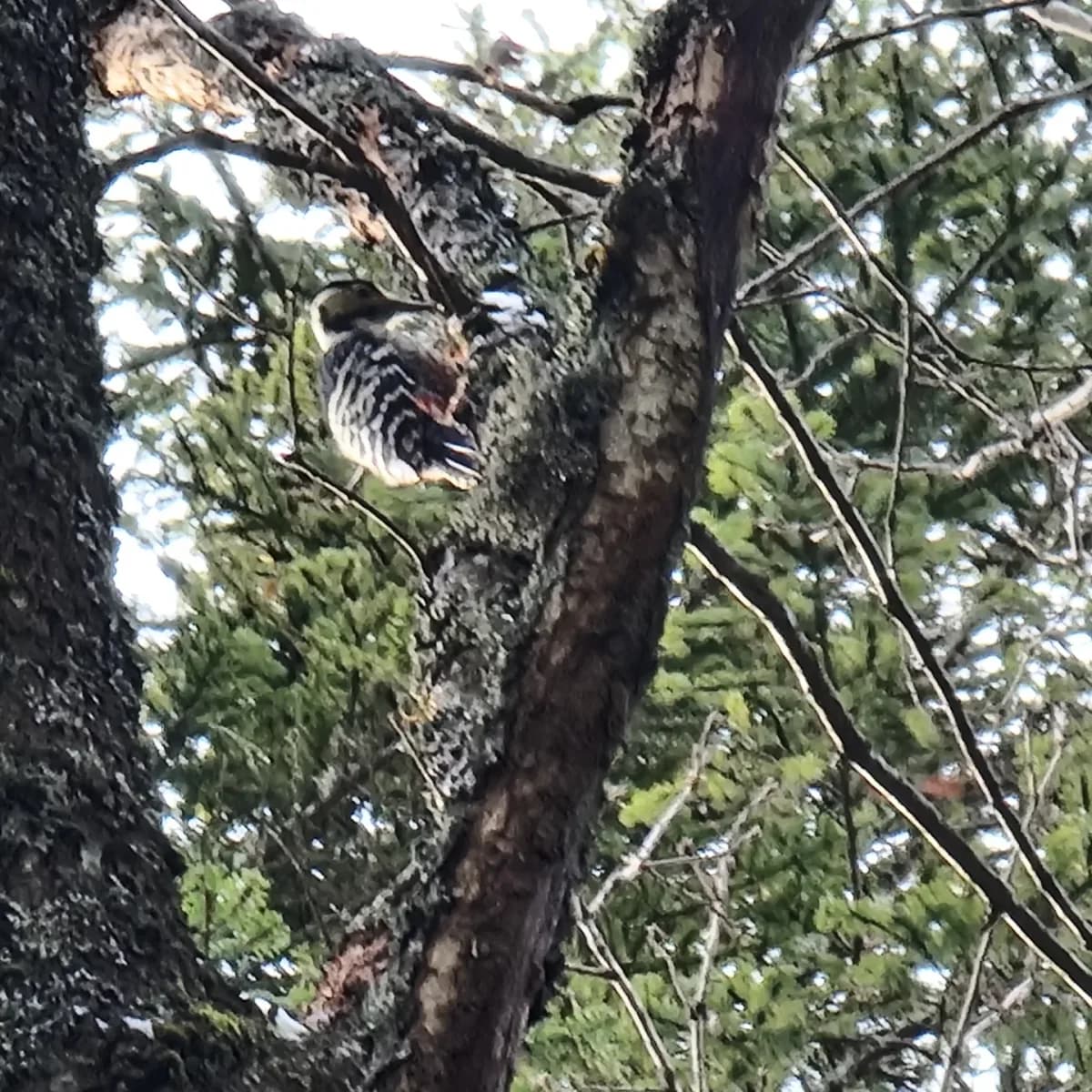
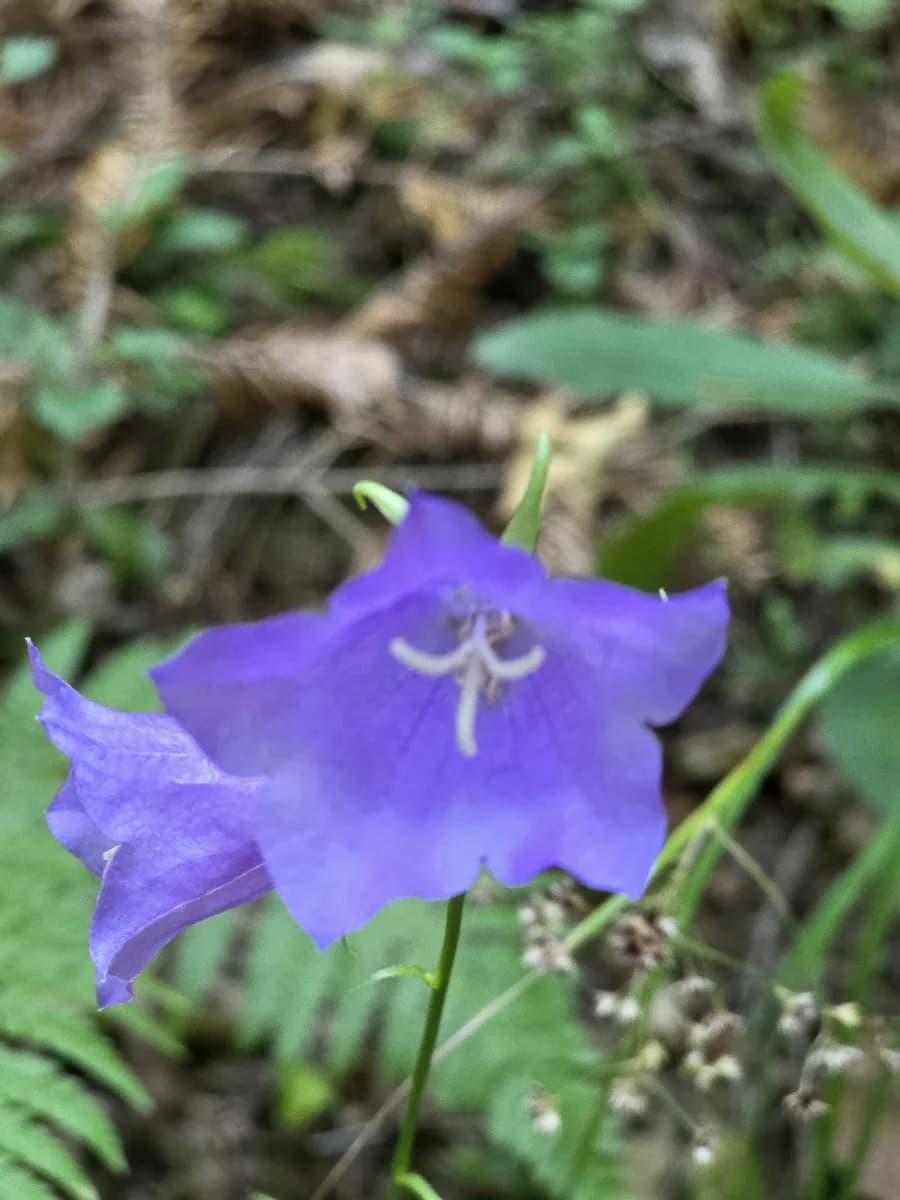
Numerous species of mammals, birds, and other animals make their home in Kozara's forests, while the plant life consists of various species of deciduous and coniferous trees, forest undergrowth, medicinal herbs, and many other plant species.
So on Kozara, with every step, one can learn something new about the forest being passed through, about the tree beside the trail, the track of some animal, or a species that until then was just an unfamiliar name.
This is precisely one of the National Park's most beautiful qualities: here, nature is not merely a backdrop for an outing. It is a space to be discovered, observed, and preserved.
From natural refuge to symbol of the Krajina
Through various historical epochs, Kozara was a space through which people, armies, and historical changes passed. Its forests and remote areas provided shelter to the population, and over time the mountain became, in the collective memory of the people, linked to resistance, uprisings, and the struggle for survival.
Still, the most dramatic and tragic pages of Kozara's history were written during the Second World War.
The suffering of the Serbian people and the Battle of Kozara
With the proclamation of the Independent State of Croatia (NDH) in April 1941, the systematic persecution and liquidation of the Serbian population began. The crimes of the summer of 1941, remembered among the people as the "Ilinden Massacres," claimed around 1,500 Serbian lives in the Prijedor area alone.
Faced with this suffering, the people of the Potkozarje region rose up in a mass uprising at the end of July 1941. The central figure of the resistance was Dr. Mladen Stojanović. Despite mass crimes committed in early 1942 in the villages of Draksenić, Piskavica, Ivanska, as well as Drakulić, Šargovac, and Motike, partisan forces liberated Prijedor and Ljubija in May 1942.
In response to the liberation of Prijedor, a major German-Croatian offensive began on June 10, 1942. Around 30,000 enemy soldiers surrounded about 3,500 partisan fighters and around 80,000 Serbian civilians in the Kozara refugee encampments.
On the night between July 3rd and 4th, an attempt was made to break through the encirclement on Patrija hill. The fighters managed to open a passage through the ring and pull out part of the civilians and fighters through it.
New destruction followed, along with the mass deportation of the population to death camps, among them Jasenovac and Stara Gradiška.
During the offensive, according to data from Kozara National Park, 68,600 residents were taken to the camps, among them around 23,000 children under the age of 14.
And yet, even after the collapse of the refugee encampments and enormous losses, resistance did not stop. At Palež in August 1942, Skender Kulenović recited his poem "Stojanka, Mother of Knežpolje" for the first time before the surviving fighters of Kozara. Soon after, the Fifth Kozara Brigade was formed.
Mrakovica - a place of remembrance
Today, the center of Kozara is also the place where nature meets memory.
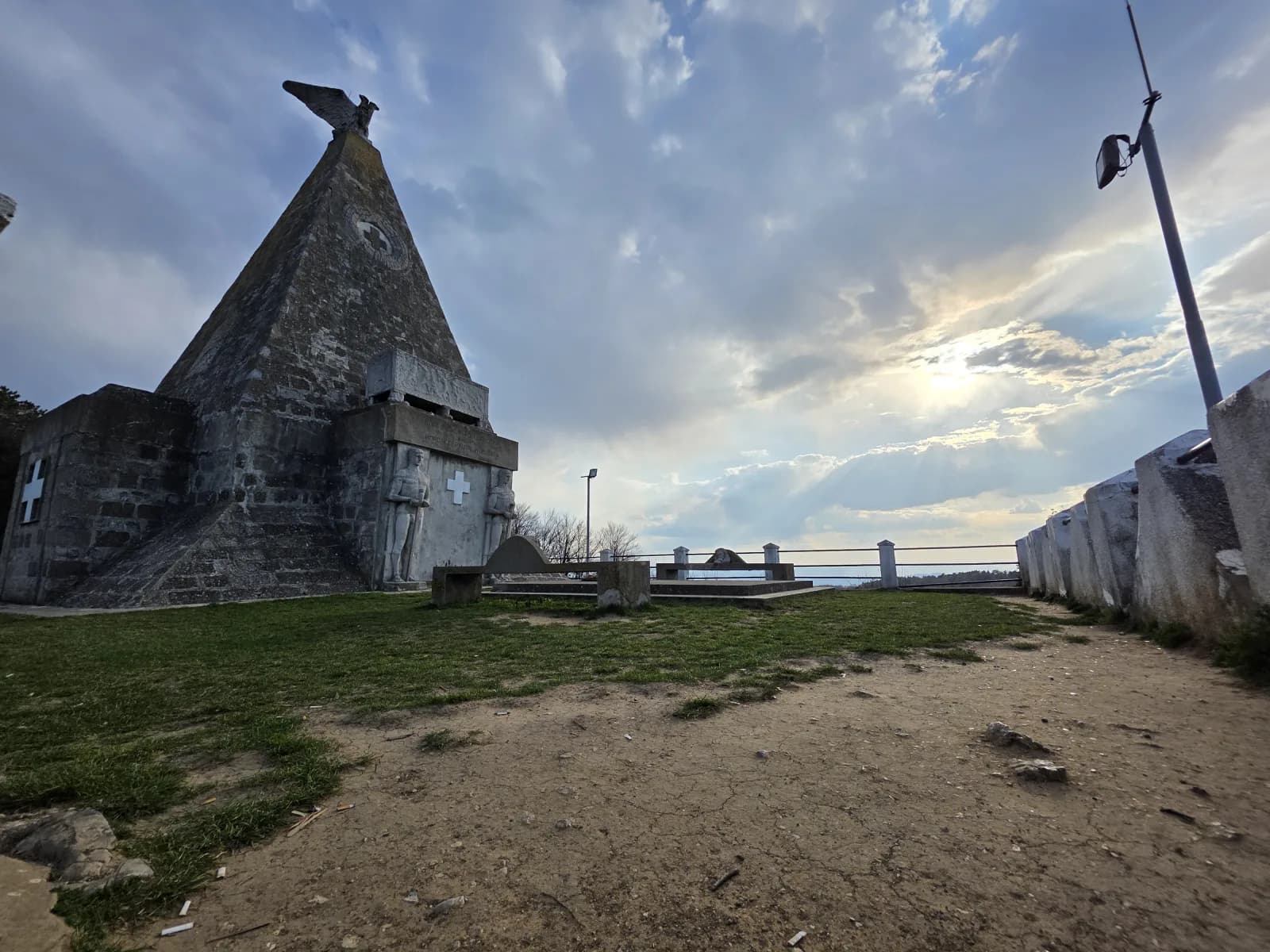
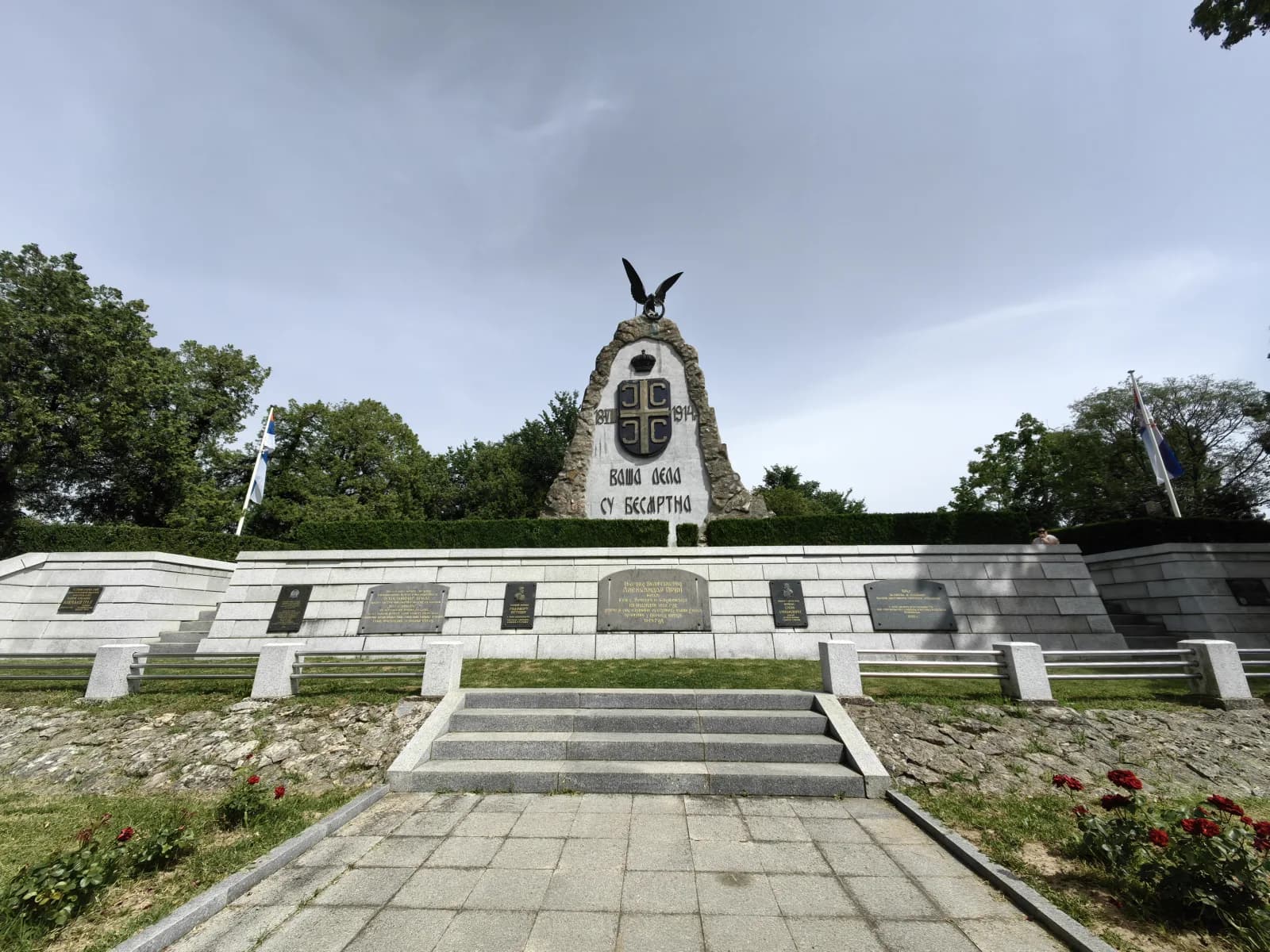
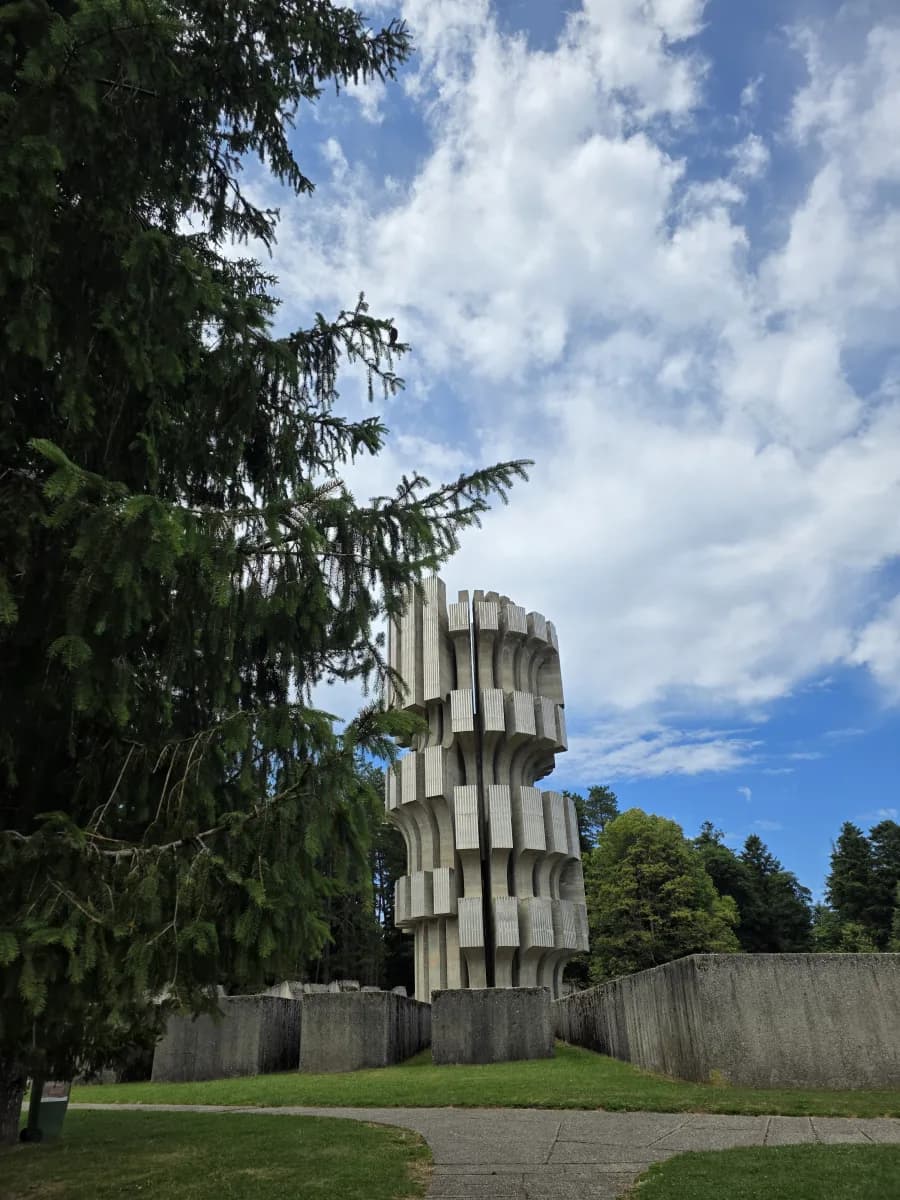
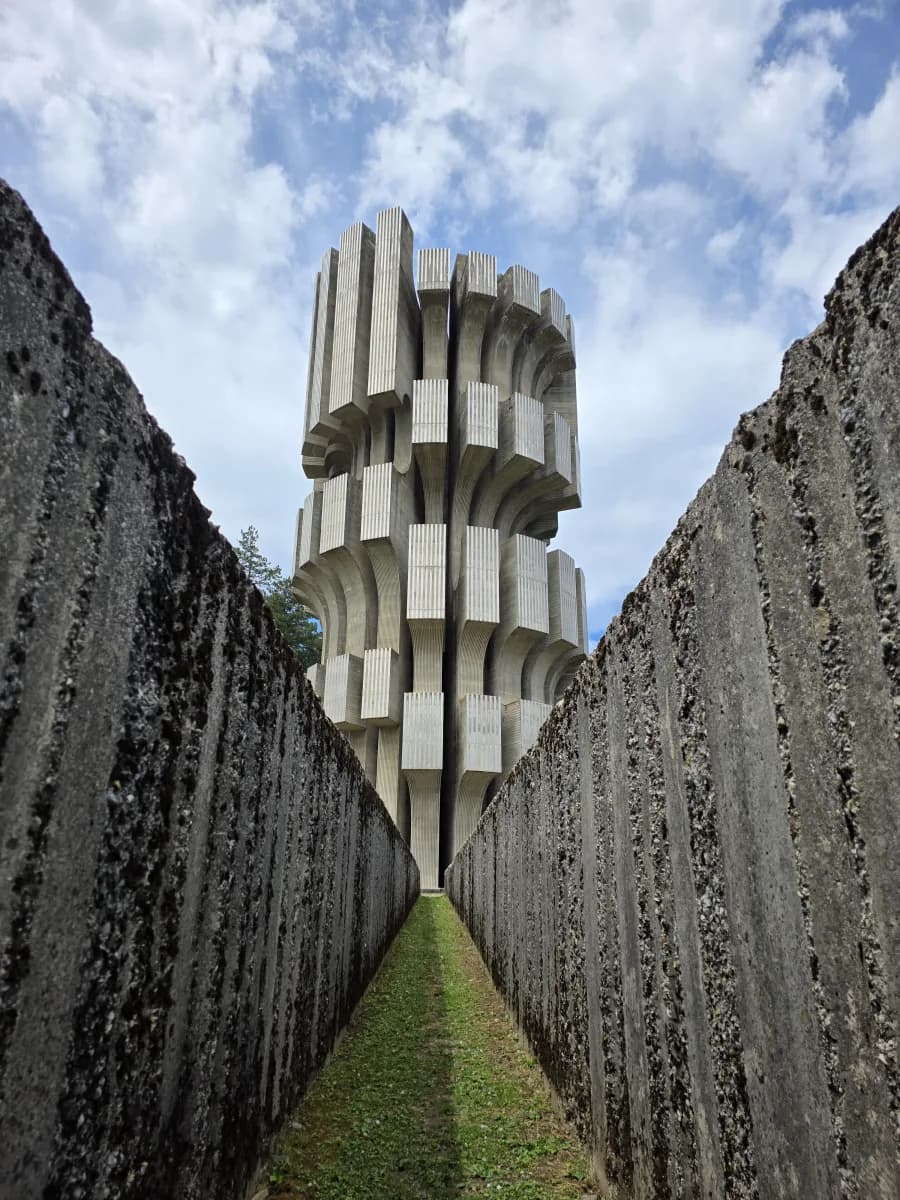
At Mrakovica stands the Memorial Complex dedicated to the victims and fighters of Kozara. Kozara National Park was declared on April 6, 1967, and a few years later, one of the most recognizable monuments of Yugoslav memorial architecture was erected at Mrakovica, the work of sculptor Dušan Džamonja.
His monumental concrete structure consists of a series of vertical elements that lean into one another and open toward the sky. The massive concrete masses symbolize the enemy ring that encircled Kozara, as well as its eventual defeat.
Beside the monument stands the Memorial Wall bearing the names of 9,921 partisans from Kozara who lost their lives, as well as a Memorial Museum with a historical exhibition.
That is why silence is experienced differently at Mrakovica. Here, the forest is not merely a landscape one passes through. It surrounds a place of remembrance and reminds us that these very same woods were once a space where people fought for their lives.
Kozara today - a mountain for all seasons
Once you leave the memorial complex, Kozara once again reveals its other face - the one that belongs to nature, movement, and rest.
A network of hiking trails leads through the forest toward attractive viewpoints and peaks, while cycling trails are meant for those who want to get to know Kozara at a somewhat faster pace.
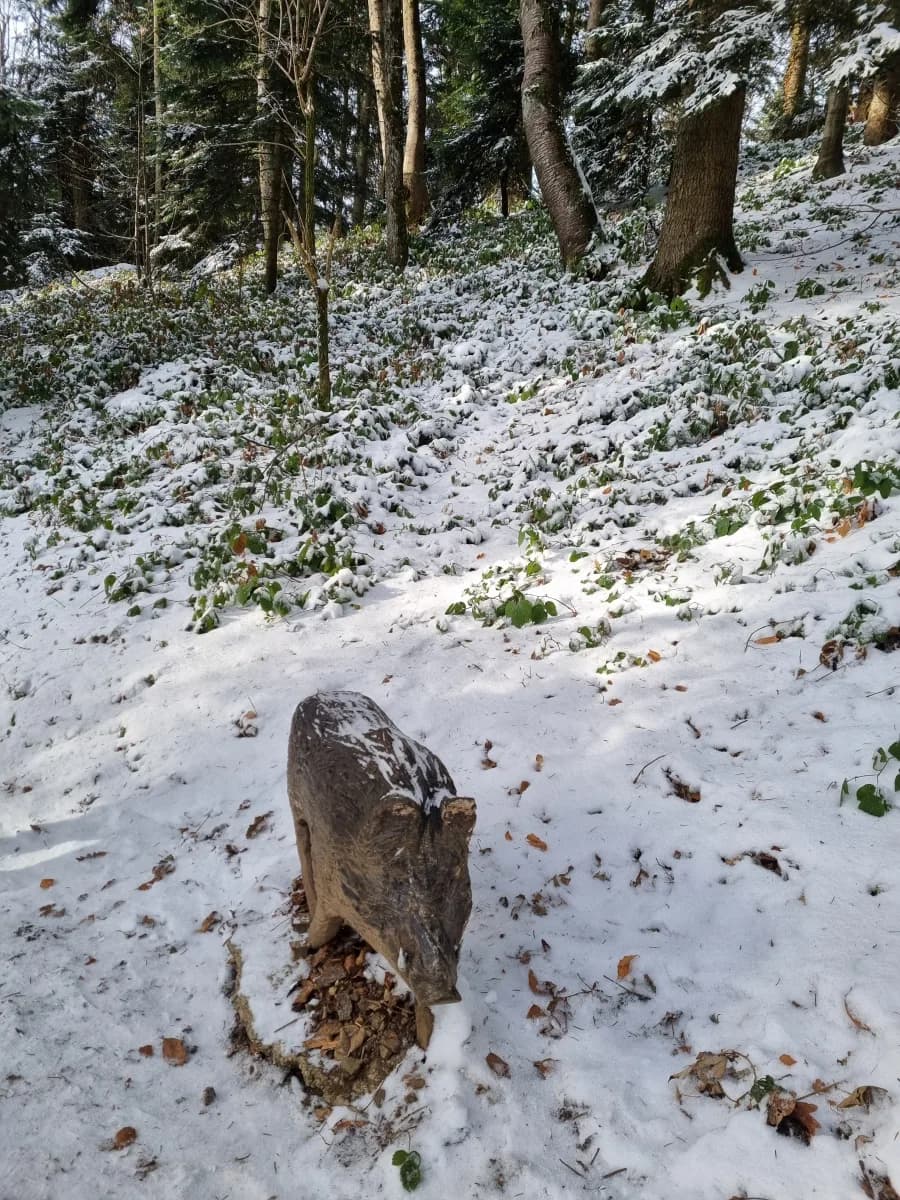
Picnic areas are available for families, and along certain walking trails, the youngest visitors are greeted by educational boards introducing them to the rich plant and animal life of the area. Along the trails, one can see carved animal figures as part of the landscape itself - crafted from wood by skilled human hands, while the true inhabitants of Kozara remain hidden deeper in the forest.
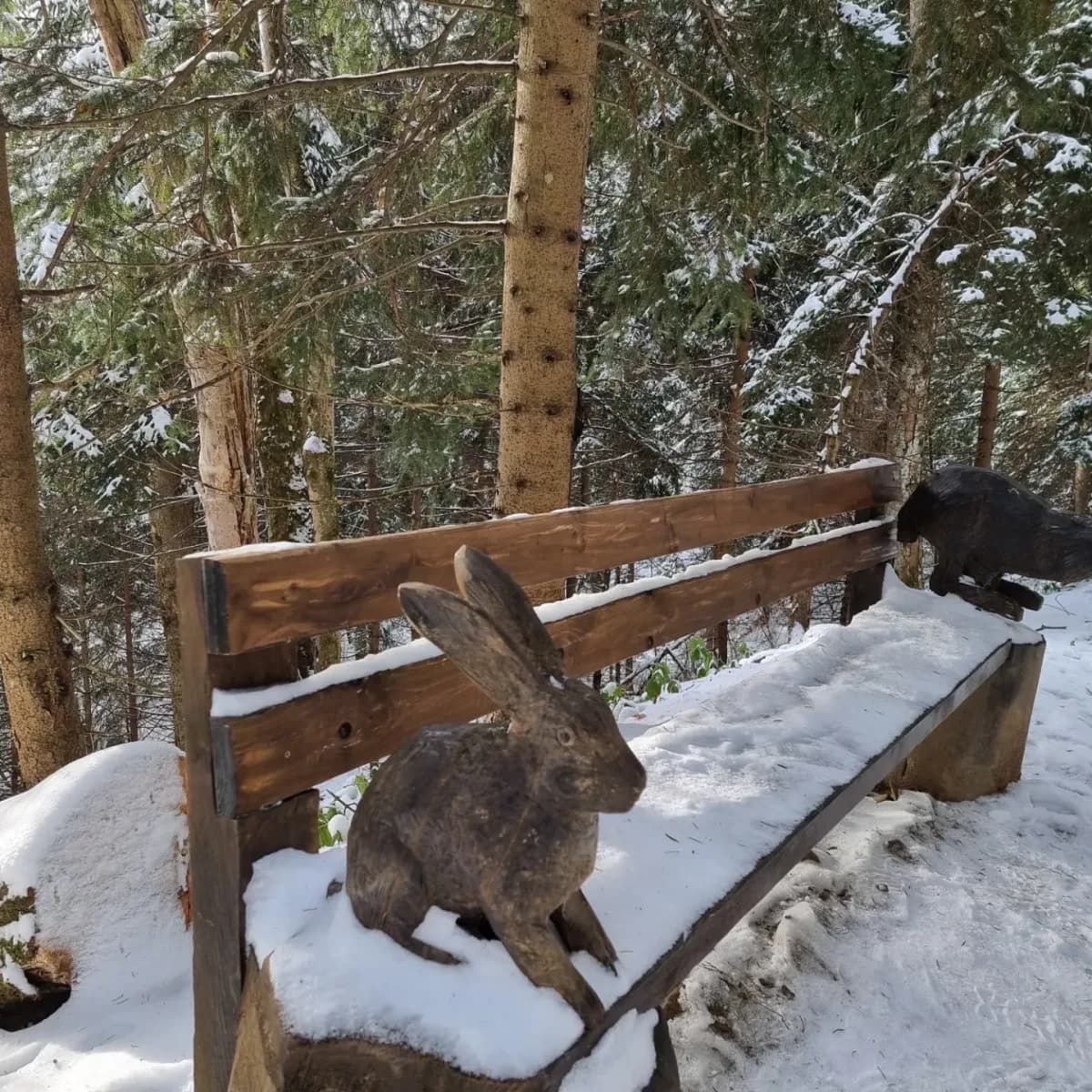
During winter, Mrakovica takes on its own ski-resort atmosphere. The ski resort has three runs - Kozara 1, Kozara 2, and a children's run - and night skiing is possible on Kozara 1.
For adrenaline enthusiasts, there is also an Adventure Park, with obstacles set up in the trees and zip-line attractions.
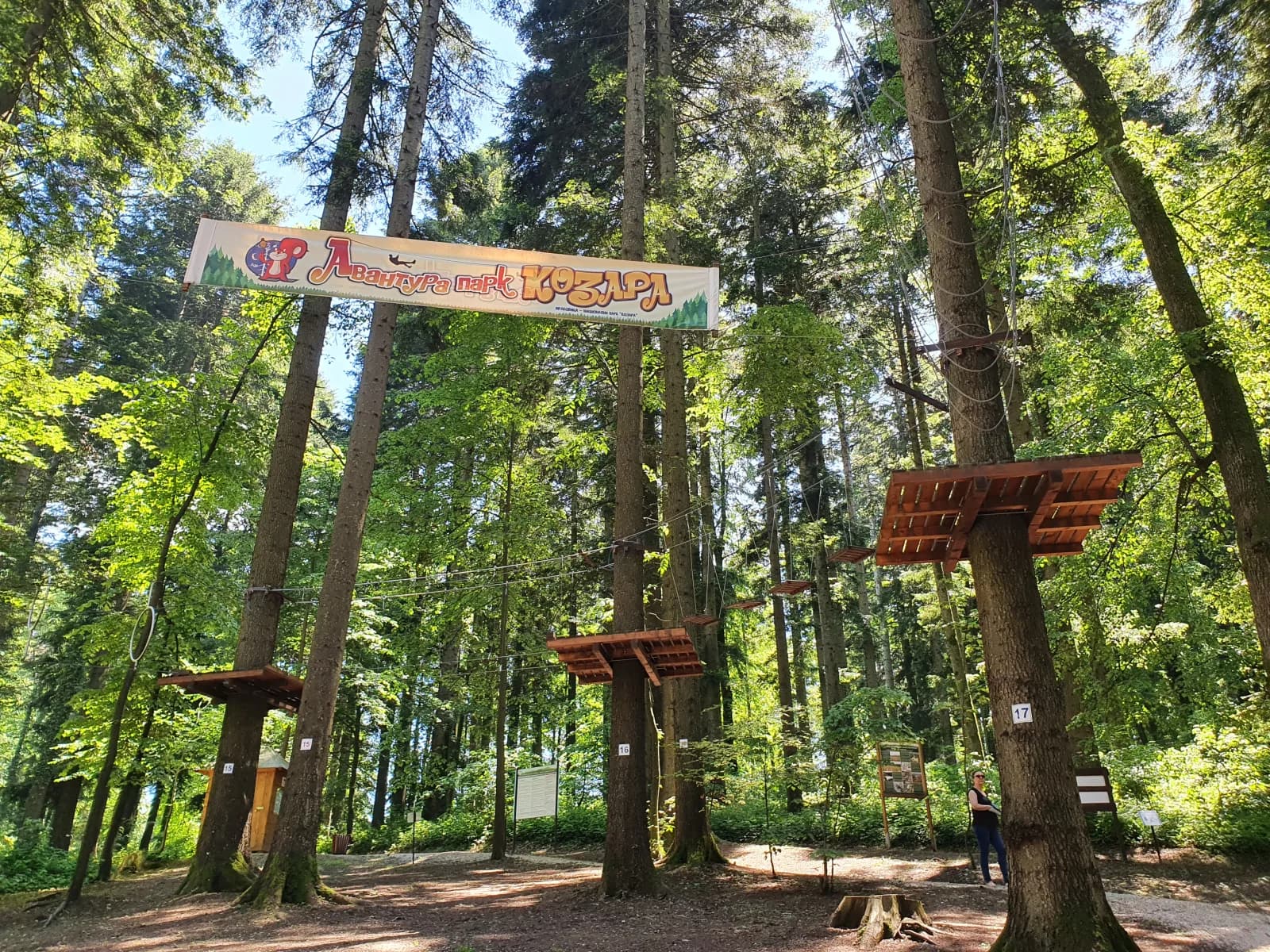
That is why Kozara is not a place to be visited only once. In summer for the walks and shade, in autumn for the colors of the forest, in winter for the snow and skiing, and in spring for nature's awakening.
Rest in the heart of nature
For those who wish to stay longer, various forms of accommodation can be found within the National Park itself: from the "Kotlovača" mountain lodge and the National Park's bungalows to private cottages and log cabins.
In the heart of the park is also the mountain hotel "Bijele Vode," which offers accommodation, a restaurant, and wellness & spa facilities, making it one of the options for those who want to end a day spent in the forest in a calmer, more comfortable setting.
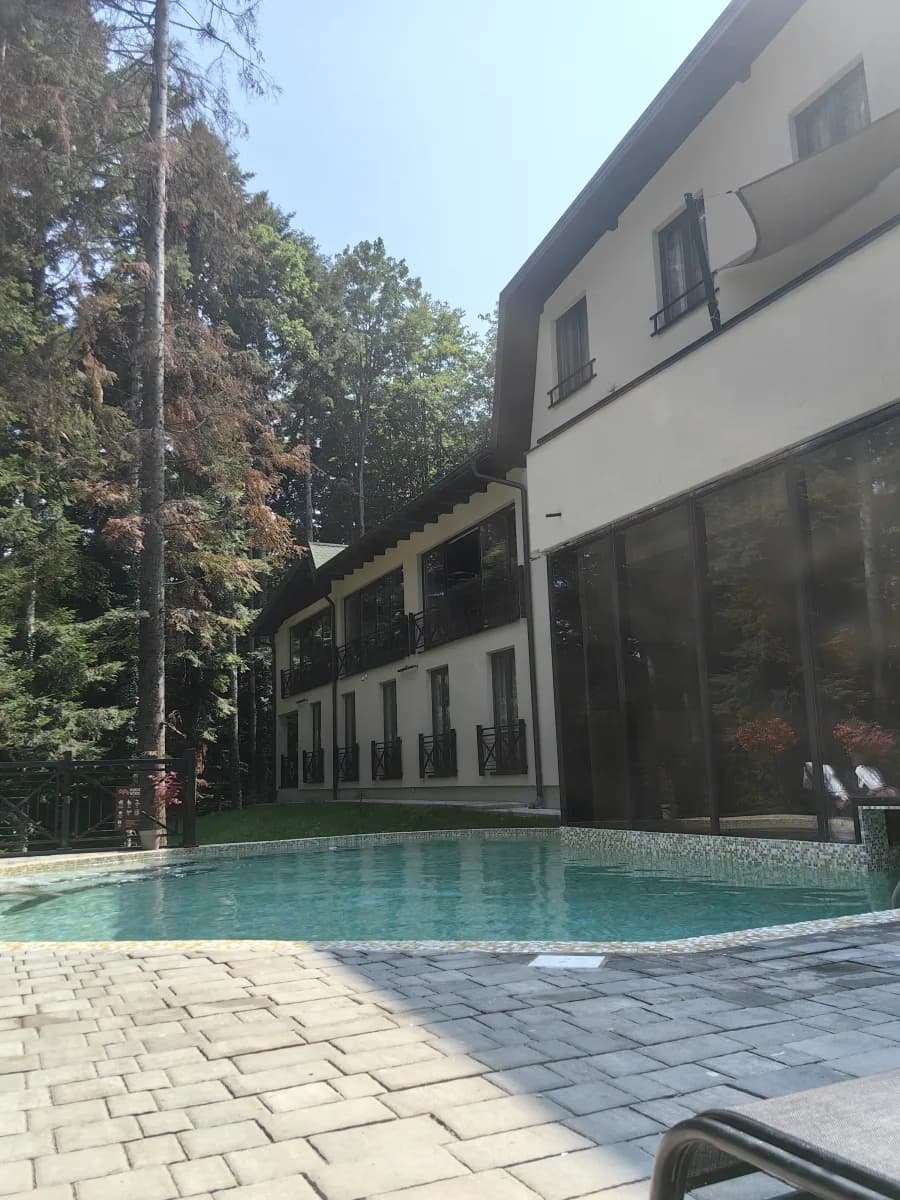
Kozara thus offers, today, a variety of ways to be experienced - as a place for a family outing, hiking, and sport, as a space for rest, but also as a place where history is approached with deep respect.
Practical information
National Park: open to visitors throughout the year.
Park entrance: according to the National Park's published price list, an adult ticket costs 4 KM, a ticket for children aged 6 to 15 costs 2 KM, while entry for children under six is free.
Ski resort (winter season): has three runs and the option of night skiing. Ski-pass prices should be checked shortly before arrival, as they change by season.
Adventure Park: currently not in operation.
A closing word
Kozara is one of those places where nature and history cannot be fully separated. The forest has covered the traces of many eras, but it has not erased them. The monument preserves them in stone and concrete, the Memorial Wall in names, and today the mountain trails lead visitors through the very space once traveled by those who fought for their lives.
And while all that can be heard through the forest is the rustling of leaves, the sight of a wooden animal figure by the trail, or a board revealing the secrets of the plant and animal world, serves as a reminder that Kozara is still alive today.
It is not merely a monument to one era. It is also forest, water, bird, wild animal, trail, and the person who walks through it.
That is why one does not leave Kozara with just photographs of nature, but with the feeling that this mountain has remembered far more than can be imagined.